

Bioethanol

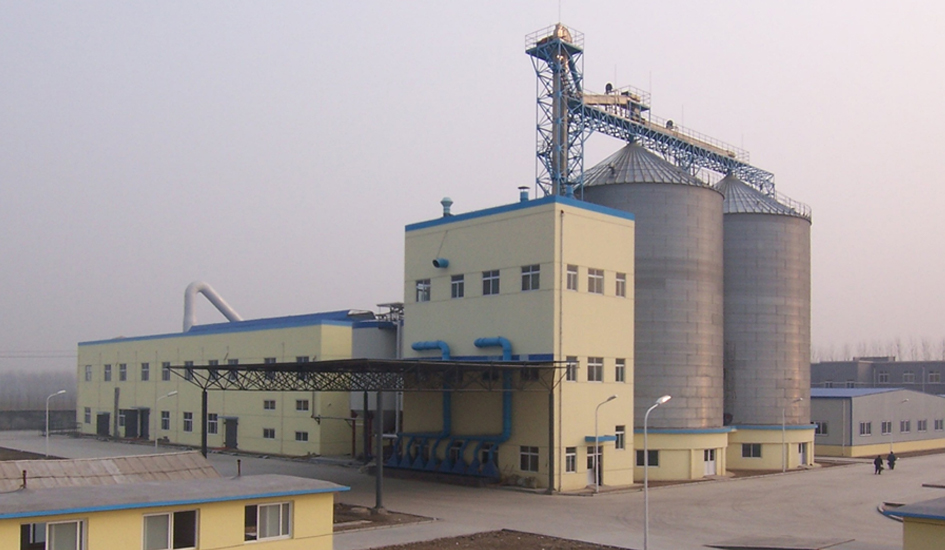
Bioethanol is derived by fermenting biological raw materials like sugar-based or starch-based crops. In tropical regions, sugarcane is the primary source, whereas corn takes precedence in other areas. Also, some facilities have adopted biomass such as cellulosic fibers from agricultural residues, wood waste, energy crops, and various industrial by-products for ethanol production. Used as a renewable standalone fuel or blended with gasoline, ethanol enhances octane levels and lowers emissions.
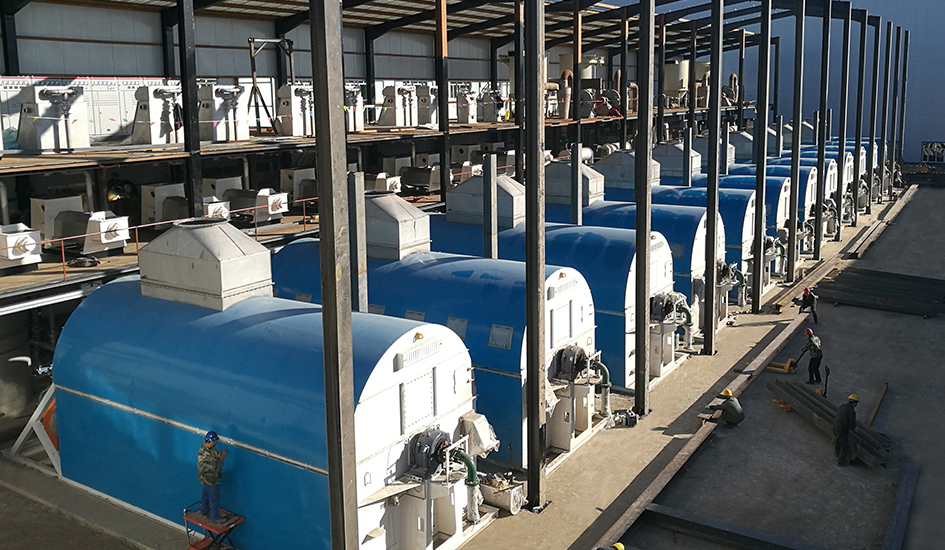
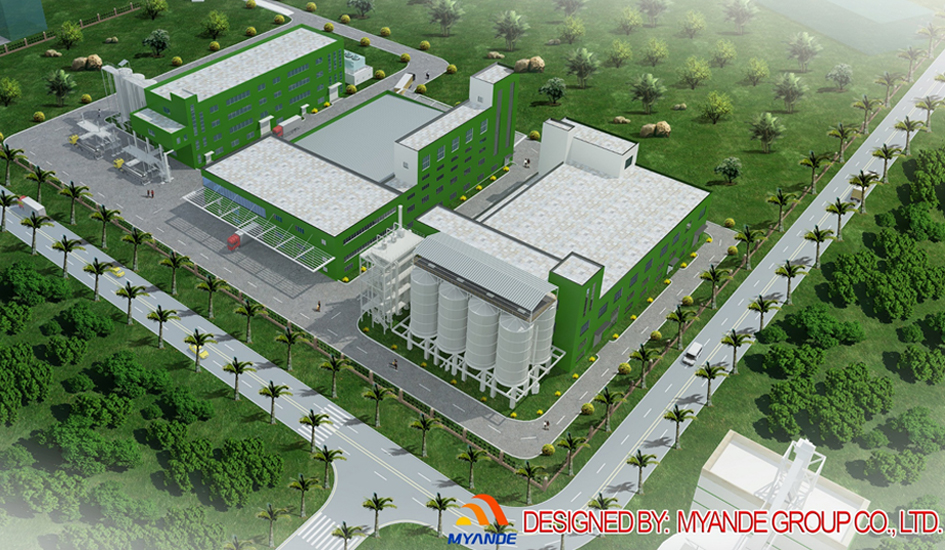
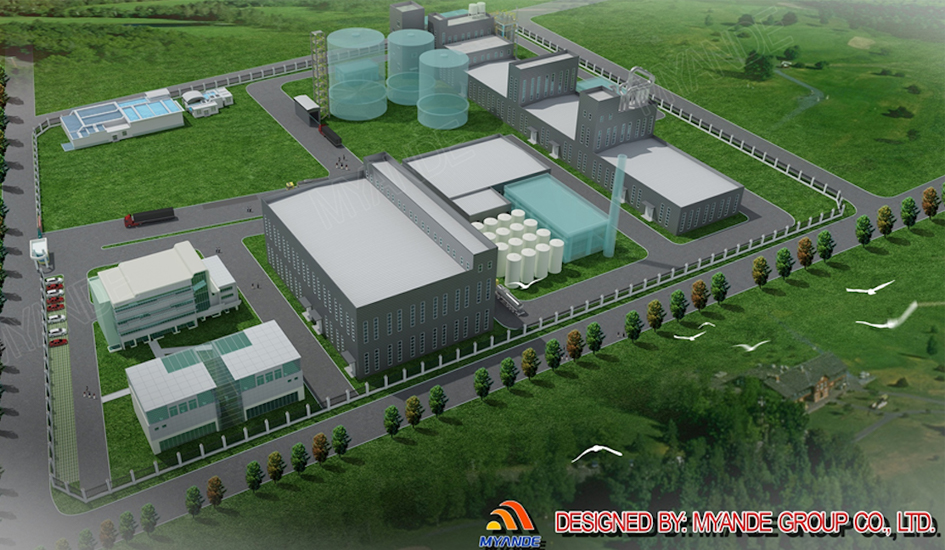
We offer turnkey bioethanol plants with capacities ranging from 100 TPD to 1,000 TPD.
Starch-Based Ethanol
Ethanol can be produced through the fermentation of various starch-rich materials, including barley, cassava, corn/maize, potato, rice, sorghum grain, sweet potato, wheat, and rye. The choice of feedstock is influenced by factors such as the geographical and climatic conditions of the production site.
In addition to the sugar-based process, we emphasize the drying of DDGS (Distillers Dried Grains with Solubles).
Our proposed process typically includes the following steps:
• Pre-treatment
• Fermentation
• Distillation
• Ethanol dehydration
• Decantation
• Evaporation
• DDGS drying
Sugarcane-Based Ethanol
Fermentable sugars from sugarcane can be directly processed using cane juice or combined with molasses from sugar production facilities. Cane juice is obtained either through milling tandems or via a counter-current diffuser.
Our sugarcane ethanol process typically includes:
• Pre-treatment
• Extraction
• Evaporation
• Fermentation
• Distillation
• Ethanol dehydration
• Vinasse treatment
Sugar Beet-Based Ethanol
Sugar beet is a highly adaptable crop, capable of thriving in diverse soil types and climatic conditions. During sugar production, large volumes of beet molasses are produced as a by-product of sucrose extraction, providing an excellent feedstock for ethanol production.
Our complete sugar beet ethanol process includes:
• Pre-treatment
• Extraction
• Evaporation
• Fermentation
• Distillation
• Ethanol dehydration
• Vinasse treatment


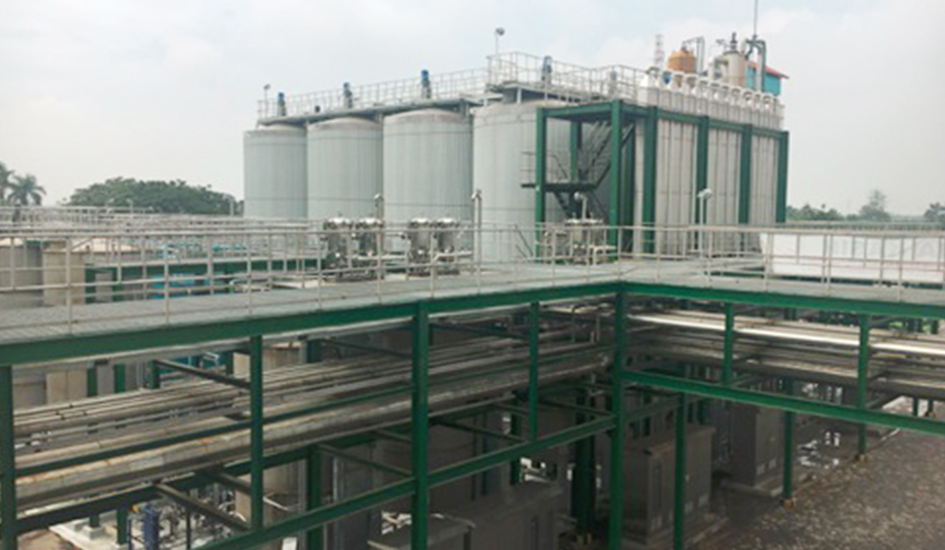

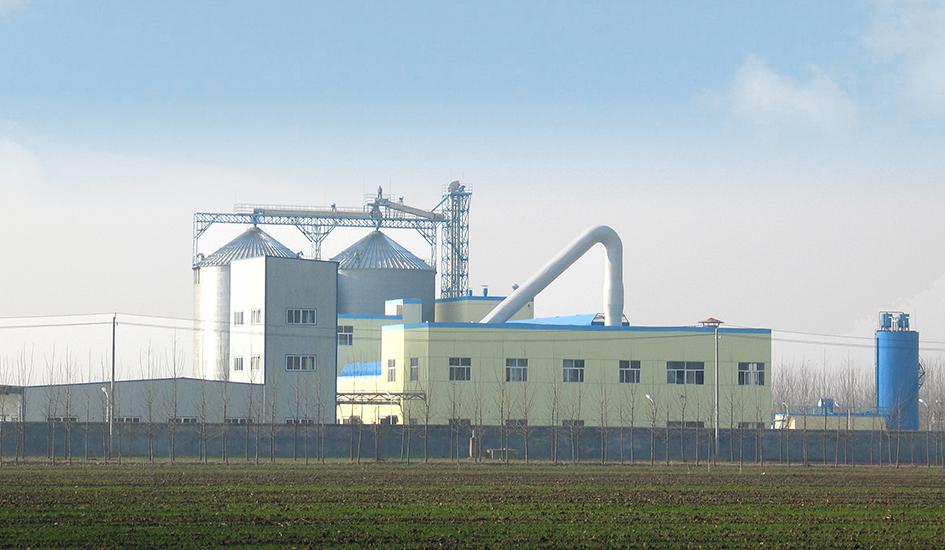
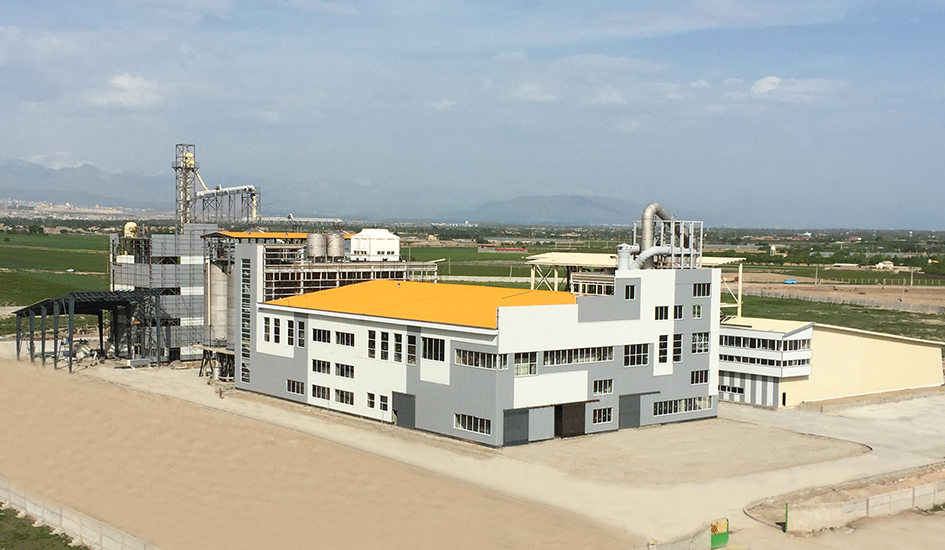
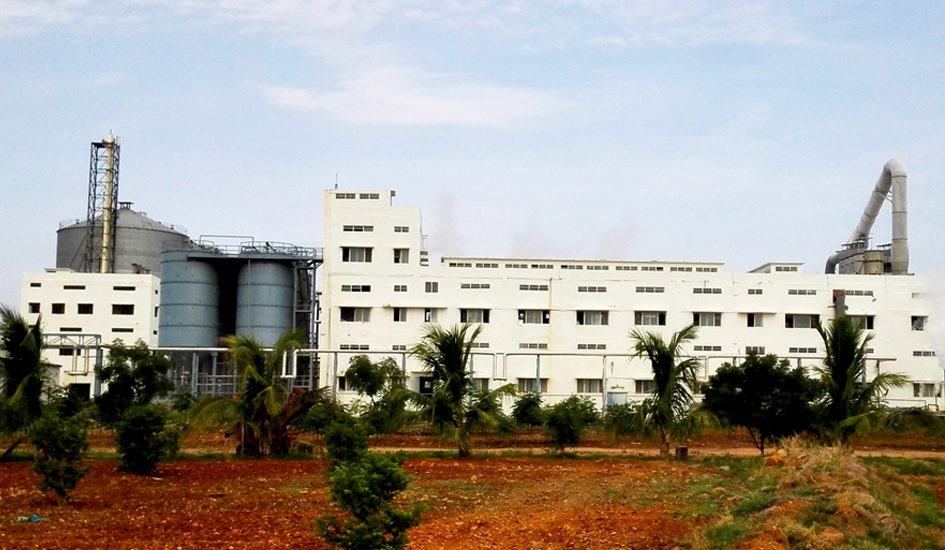
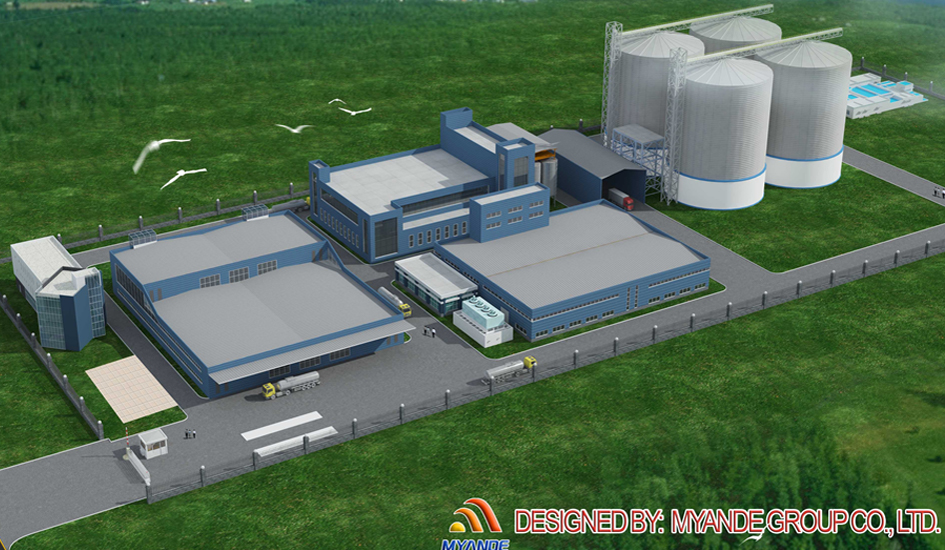
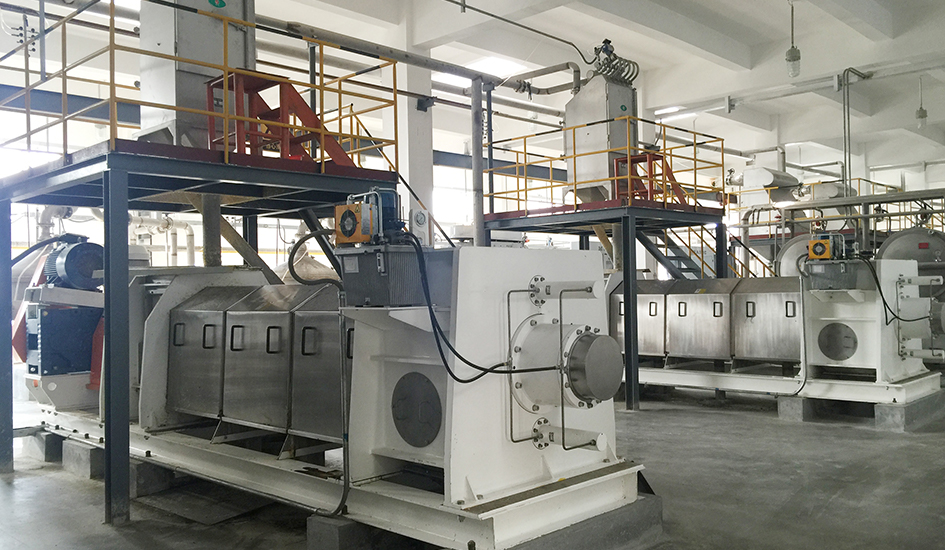
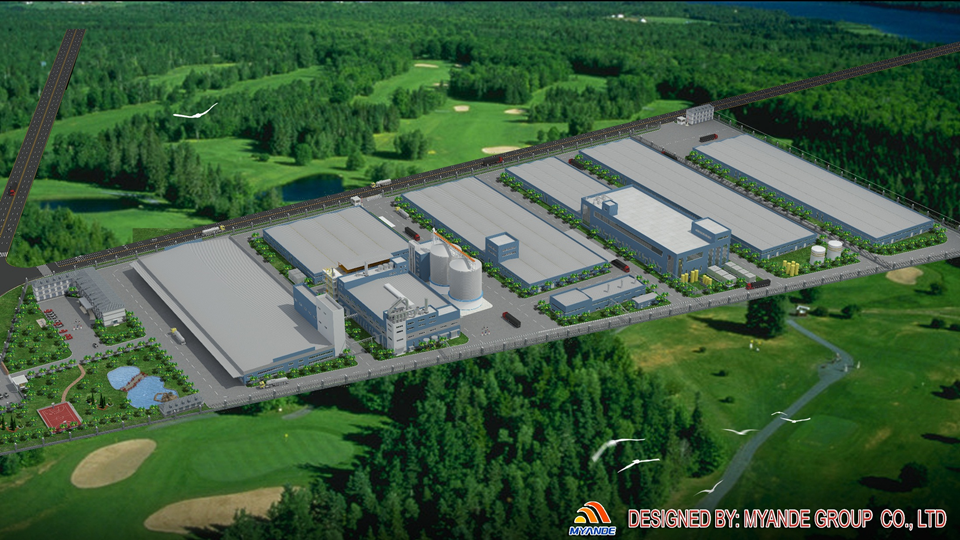

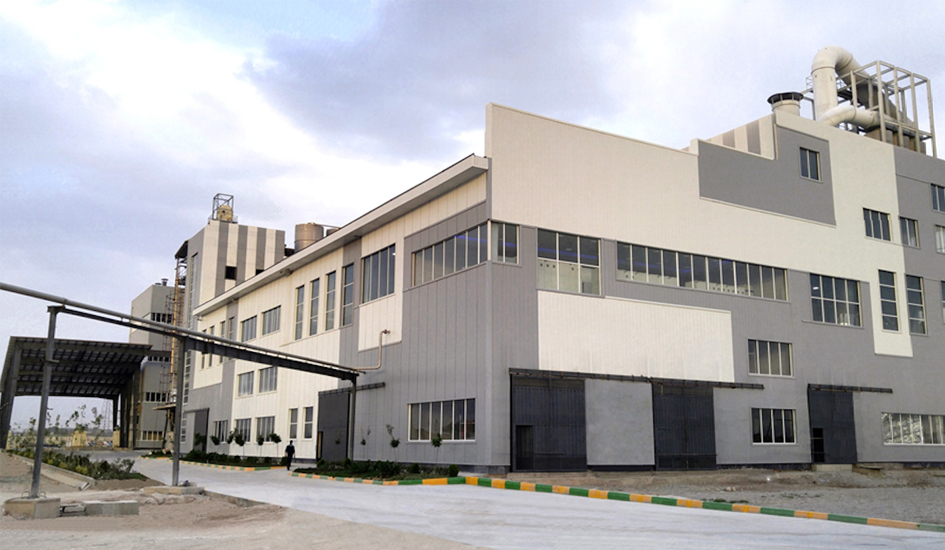
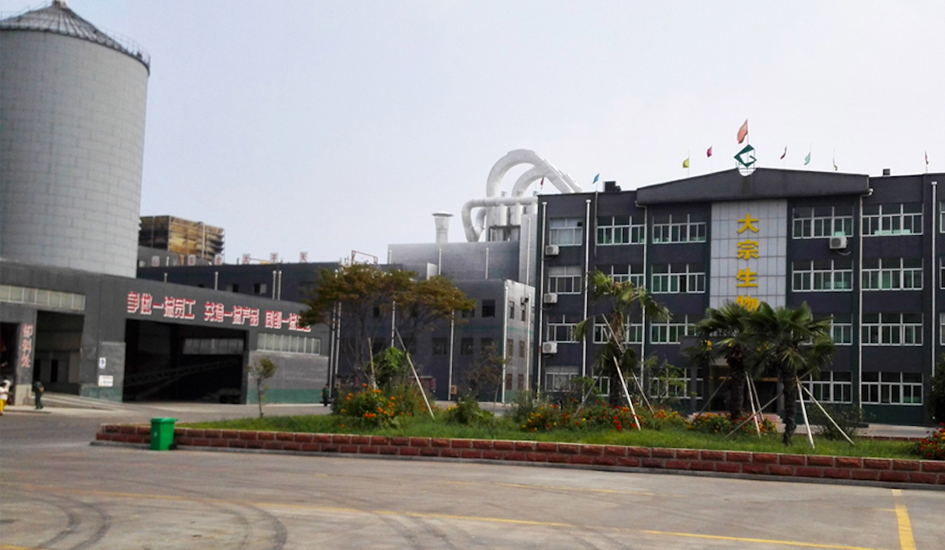
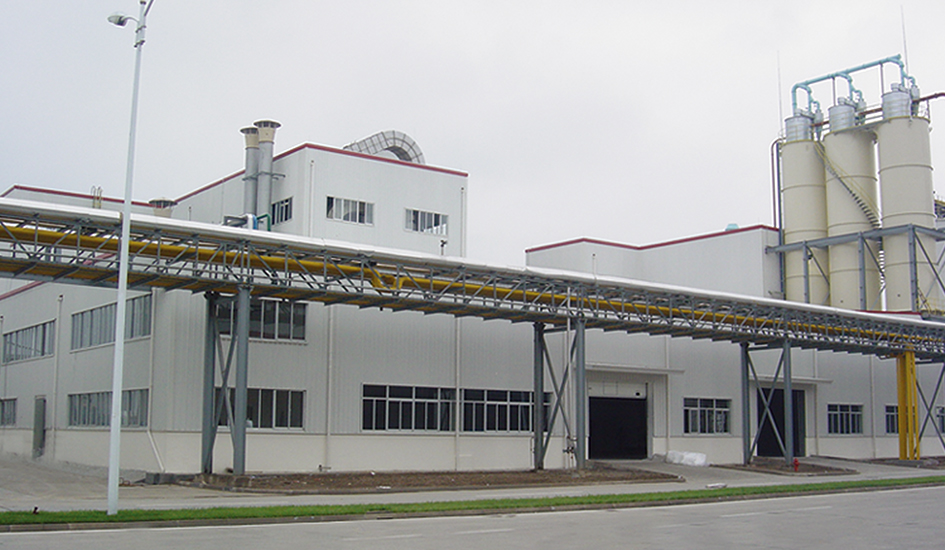
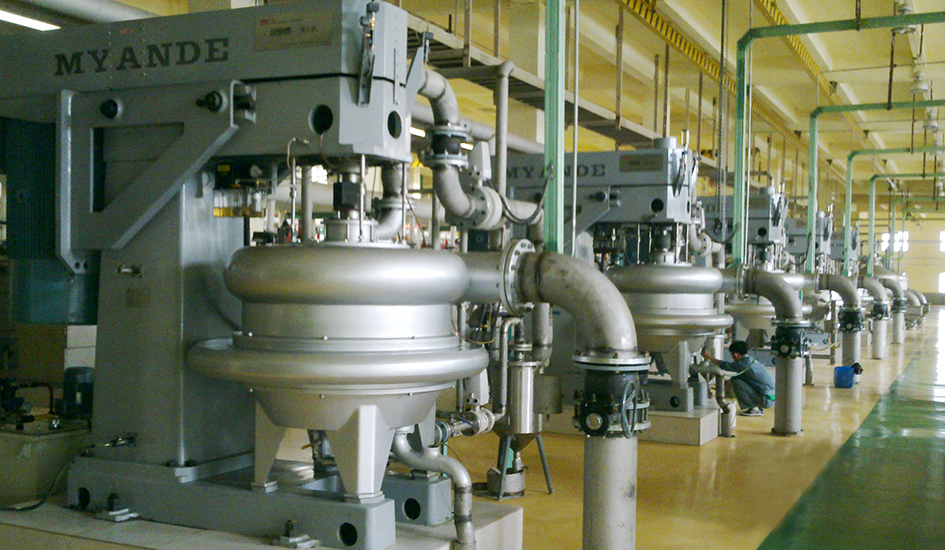
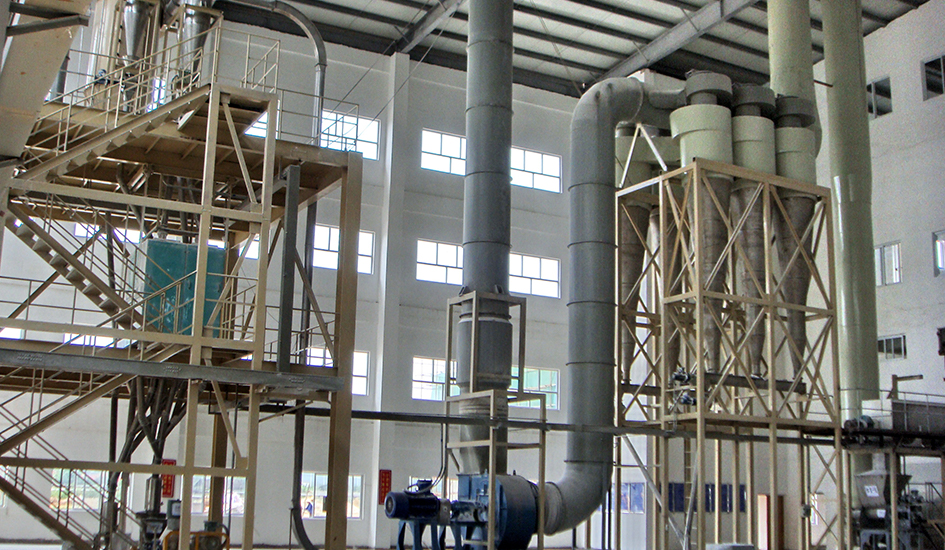
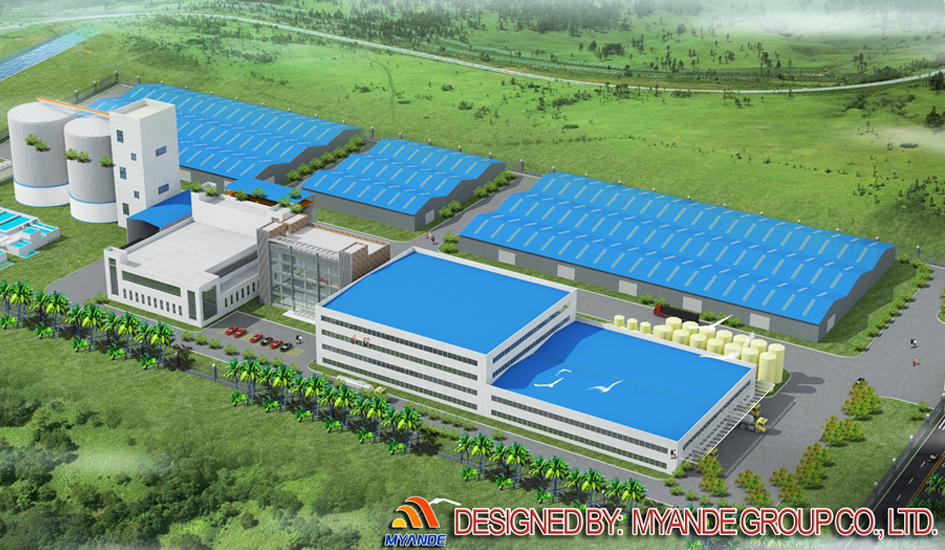

Enhancing Sustainability and Profitability in Bioethanol Production
• Optimize every stage of bioethanol production with advanced solutions designed to boost yield, maximize uptime, and ensure superior product quality while reducing energy consumption.
• Achieve exceptional separation efficiency, reliability, and energy savings using our cutting-edge decanter systems for spent grains removal.
• We provide innovative technologies for all process phases, tailored to various ethanol feedstocks, including grain-based and sugar-based materials.

Efficient DDGS Drying and Evaporation
Higher Protein Content: Drying concentrates proteins, enhancing bypass protein levels and improving feed nutrition for livestock.
Nutrient Preservation: Advanced methods like superheated steam drying protect proteins and nutrients, retaining digestible energy, protein, and phosphorus.
Uniform Particle Size: Precise drying ensures uniformity, improving feed mixing and nutrient absorption.

They trust and choose Myande
More than 1,600 complete plants have been supplied under Myande’s name in over 80 countries since 2003.
Behind every successful project is a great team. Our team is comprised of skilled individuals that share one common goal – Help our clients succeed.

What can we do for you?
We focus on supplying one-stop engineering service covering general layout plan, process design, R&D, equipment manufacturing, automatic control system, data integration, installation, supervision, commissioning, training and etc.
Our custom solutions come from a deep understanding of your needs, and we have the capability to complete each project from the design of the initial concept to manufacturing, installation, commissioning and delivery.
Solution Tailored to Your Needs

General Layout Plan
With a land prepared, the next thing you should consider is planning the general layout, which is a crucial foundation of a sustainable and cost-effective manufacturing.
Turn to us for help and we will present you the design for your plant by considering water, steam, electricity supply and etc.

Process Design
Combining our engineering expertise, industry know-how and practical skills with your knowledge, we provide the optimized and customized process design for your plant.

3D Plant Design
On the basis of plant layout design, combined with real situation, we can design a three-dimensional model of the entire plant. All the equipment, piping and instruments, any detail can be shown in the model, not only allowing you to have an intuitive understanding of the plant, but also providing overall information support for plant construction, equipment installation and future expansion.

Automatic Control System
We offer economical and most effective process automation solutions for the entire production line. Our RES automatic control system is developed based on PLC/DCS system.

Data Integration
From the perspective of the overall operation of the factory, Myande intelligent data integration management system collects basic data from raw grain procurement, warehousing, processing, inventory, sales and logistics, relying on the interconnection network system of each workshop. It provides real-time, accurate and traceable data reports for the current storage, processing and shipping.

Equipment Manufacturing
We owns in-house manufacture base of more than 130,000㎡ integrating R&D, production, project management which represents advanced engineering capability in the industry.

Installation and Commissioning
After finishing the installation of all machines, we offer on-site commissioning service to ensure compatible functioning.
Every move of the machine needs strong technical support from our experienced engineers. The only principle is that you can start manufacturing right after the commissioning.

Training and After-sales Service
Myande 360° Service Portfolio covers all your needs throughout the life cycle of your project. By minimizing your total cost of ownership, we help you stay ahead of the competition.
About Myande
Myande Group is a globally leading supplier of complete plants, equipment, and services for Oils & Fats, Starch & Derivatives, Fermentation, Evaporation & Crystallization, Material Storage and Handling and Smart Factory industries.
Myande Group currently has 1,600+ employees including 800 technical staff and 800 manufacturing workers. More than 1,600 complete plants have been supplied under Myande’s name in over 80 countries since 2003.
World-leading manufacturing base
In-house manufacture base of more than 130,000㎡ that integrates R&D, production, and project management, representing world-class engineering capability in the industry.

No Compromise on Quality
We are highly committed to Quality Assurance.
Our facilities and processes adhere to the highest local and international industry standards and certifications and are audited regularly for compliance.
With a global quality management system, we ensure that our customers all over the world receive high-quality, reliable products and solutions. We are well aware that our equipment have to function safely and efficiently for decades.
To effectively carry on the spirit of artisanship, improve the overall quality of front-line employees, we hold the “Workmanship Skills Competition" every year.


Certificates & Patents
At Myande, innovation is the result of the total process of developing an idea into a product or a new way of working which adds value to the business.
Over 600 registered patents and utility models demonstrate the company's innovation potential.

Our Global Presence
We focus on supplying one-stop engineering service covering general layout plan, process design, R&D, equipment manufacturing, automatic control system, data integration, installation, supervision, commissioning, training and etc.
Our custom solutions come from a deep understanding of your needs, and we have the capability to complete each project from the design of the initial concept to manufacturing, installation, commissioning and delivery.
You might also be interested in


Lifecycle Service
Technical expertise and innovative products form the basis of your success. But we offer you even more: our extensive range of services gives you optimum support for your requirements and objectives in the long term.
Myande News & Insights

2,000TPD Rapeseed Crushing Plant Launched
Recently, a 2,000 t/d rapeseed crushing plant built by Myande Group for Daodaoquan Grain and Oil Co., Ltd. started operation successfully and started to yield qualified rapeseed oil and meal. Daodaoquan Grain and Oil Co., Ltd. is a comprehensive oil processing enterprise integrating production, scientific research, trade, warehousing and logistics of edible vegetable oil and its related by-products. This new rapeseed crushing plant incorporates a wide range of Myande core equipment possessing independent intellectual property rights, including the E-type extractor, hydraulic flaker, DTDC, conditioner, and other key equipment. To achieve flexible material incoming and discharging, Myande CCJL series sweep auger and CQJL series reclaimer are used. In addition, advanced energy-saving technology, negative pressure draining technology and intelligent safety technology are used to ensure the stable operation of the entire production line and excellent product index. With the concept of "creating the best performance for our customers", Myande cooperates with DaoDaoQuan to build a modern, energy-efficient, and environmentally friendly factory.

600,000 T/A Wheat Starch Deep Processing Project Successfully Launched
Recently, the 1st phase of Henan Hanyong's 600,000 tons (annual output) wheat starch deep processing project, designed by and installed under the guidance of Myande, has been smoothly commissioned, and contract for the 2nd phase was signed with Myande, marking the further extension of the domestic wheat deep processing industry chain. Henan Hanyong Biotechnology Co., Ltd. is one of the leading enterprises in agricultural industrialization of Henan province. It mainly produces edible alcohol with strong competitiveness and a high reputation in the market. Starch deep processing is one of Myande’s important business segments. After years of technology and experience accumulation in the field of starch deep processing, Myande has formed a complete set of production design system with a high degree of automation, stable operation and high product quality. In recent years, Myande has successfully established long-term strategic cooperative relations with multiple famous domestic and international enterprises. Combining with Hanyong's own industrial advantages, after in-depth research, efficient communication and repeated demonstrations, Myande has designed a set of production plan (as shown in the following figure) specially for the customer, and it can not only produce gluten and wheat starch, but also make better use of the mixed nutrient solution of process water and pentosan to produce alcohol, which will bring considerable economic benefits. The 1st phase project is a 500tpd wheat flour processing project, including a 3tpd gluten drying system and a 12tpd starch drying system. From beginning to end, the whole project lasted for 10 months. During the whole implementation process, from the plant layout planning, process design, intelligent automation design in the early stage, project service in the mid-term, to the installation, commissioning and training in the post stage, Myande’s rigorous, attentive and efficient one-stop service has won the unanimous praise of Hanyong. Through the joint efforts of Myande and Hanyong employees, a brand-new starch deep processing production line was successfully commissioned and started running smoothly, and all indicators were superior to the technical level of the same industry. In view of the pleasant cooperation in the 1st phase, Hanyong decided to cooperate with Myande again to expand its wheat starch deep processing output, and signed the 2nd phase project with Myande resolutely, namely 5t/d gluten drying system and 20t/h starch drying system. After which, Hanyong will become a high-quality gluten high-value conversion base with "the largest scale, the best environment protection and the highest level of research and development" in the industry in Asia.

Myande Awards 2022 “Spring Sunshine” Scholarship
In order to motivate employees' children to study hard and to enhance employees’ sense of belonging and happiness, on August 19, Myande held 2022 Myande Spring Sunshine Education Scholarship ceremony. Mr. Wangmu, vice chairman and Mr. Mao Weijiang, director in charge of manufacturing, participated in this ceremony and on behalf of the company presented scholarship stipends to children of Myande employees who are enrolled by four-year universities this year. In his speech, Mr. Wang highlighted that Spring Sunshine Scholarship is one of several company welfare benefits. It represents the company’s vision of moving forward with its employees and creating a better future together, and it reflects the company's care for the education of its employees' children and its high sense of social responsibility.
FAQ
-
Which feedstock is best for a bioethanol plant: starch, sugarcane, or sugar beet?
-
There is no universally best feedstock. The optimum route depends on local feedstock availability, delivered cost, fermentable sugar yield, seasonal availability, utility costs, and by-product value.
Starch-based ethanol requires milling, liquefaction, and saccharification before fermentation, while sugarcane- and sugar beet-based routes can use readily fermentable sugars but require different juice preparation and seasonal production strategies.
A feasibility study should therefore compare ethanol production cost per liter, rather than raw material price alone.
-
-
What determines the profitability of an industrial bioethanol plant?
-
For large-scale ethanol production, profitability is highly sensitive to:
- feedstock cost
- starch or sugar conversion efficiency
- fermentation yield
- ethanol recovery
- steam and electricity consumption
- water consumption
- by-product revenue
Even small improvements in conversion yield or steam consumption can have a significant annual financial impact.
The key KPI is therefore not simply liters of ethanol produced per day, but how efficiently each ton of feedstock is converted into saleable ethanol and valuable co-products.
-
-
How can a starch-based ethanol plant maximize ethanol yield from corn or other grains?
-
High overall yield requires efficient conversion throughout milling, liquefaction, saccharification, fermentation, distillation, and recovery.
Poor starch conversion, residual sugars, incomplete fermentation, or ethanol losses during distillation all reduce the amount of saleable ethanol obtained from each ton of grain.
An optimized plant therefore evaluates the complete material balance from starch input to final ethanol output, rather than focusing only on fermentation yield.
-
-
How can sugarcane- or sugar beet-based ethanol plants improve sugar utilization?
-
For sugar-based ethanol plants, profitability depends on recovering and fermenting as much available sugar as economically possible.
Critical factors include:
- juice extraction and preparation
- sugar losses
- contamination control
- fermentation efficiency
- residual fermentable sugars
- ethanol recovery
Stable feed preparation and fermentation control help convert more available sugar into ethanol while reducing losses and production variability.
-
-
How can fermentation design improve ethanol yield and plant productivity?
-
Fermentation performance directly affects ethanol concentration, cycle time, downstream distillation load, and overall plant capacity.
Precise control of temperature, pH, nutrient addition, yeast condition, contamination, and fermentation endpoint helps achieve stable sugar conversion and reduce residual sugars.
Higher and more stable fermentation performance can also reduce the amount of water that must subsequently be handled during distillation.
-
-
How can distillation and dehydration systems reduce steam consumption?
-
Distillation is one of the largest thermal-energy consumers in a bioethanol plant.
Energy demand can be reduced through multi-column heat integration, vapor reuse, heat recovery, optimized operating pressures, and efficient dehydration system design.
Myande evaluates fermentation, distillation, dehydration, and plant utilities as an integrated thermal system, helping customers reduce steam consumption and lower ethanol production costs.
-
-
How can a bioethanol plant reduce water consumption and wastewater generation?
-
Water efficiency should be designed into the process rather than addressed only at the wastewater treatment stage.
Opportunities include:
- condensate recovery
- process-water reuse
- optimized cleaning
- improved fermentation and distillation efficiency
- appropriate recycling of process streams
However, recycling must be carefully controlled to prevent accumulation of salts, organic compounds, or fermentation inhibitors.
The objective is to minimize fresh-water consumption and wastewater generated per liter of ethanol without compromising fermentation stability.
-
-
How important are co-products to the economics of a bioethanol plant?
-
Co-products can materially change project profitability.
Depending on feedstock and process route, potential value streams may include DDGS or other feed products, recovered CO₂, corn oil, bagasse, beet pulp, and other biomass streams.
A well-designed plant should therefore maximize the value of the whole feedstock, rather than viewing ethanol as the only commercial product.
This can improve margins and make the project more resilient to ethanol price fluctuations.
-
-
How can starch-based ethanol producers maximize the value of DDGS and other co-products?
-
DDGS profitability depends on more than simply drying stillage.
Feed quality, protein concentration, residual oil, moisture, color, drying conditions, and product consistency can influence market value.
An integrated process should balance ethanol recovery, corn oil recovery, stillage concentration, and DDGS drying to maximize total value from each ton of grain rather than optimizing ethanol output alone.
-
-
How can heat integration reduce the cost per liter of bioethanol?
-
Bioethanol plants contain multiple sources and users of thermal energy across liquefaction, fermentation, distillation, evaporation, and drying.
Instead of supplying fresh steam independently to each process, integrated engineering identifies opportunities to recover and cascade heat between process sections.
Myande combines heat recovery, evaporation, and overall utility optimization to reduce fresh steam demand and improve lifecycle plant economics.
For large-capacity ethanol plants, this system-level optimization can be more valuable than improving the efficiency of a single piece of equipment.
-
-
Should I focus on CAPEX or operating cost when comparing bioethanol technologies?
-
For a plant expected to operate for decades, the lowest equipment price does not necessarily deliver the lowest ethanol cost.
Technology comparisons should consider:
- feedstock consumption per liter of ethanol
- fermentation yield
- steam and electricity consumption
- water consumption
- chemical consumption
- ethanol recovery
- co-product revenue
- maintenance requirements
A lifecycle economic comparison provides a much more meaningful basis for investment decisions than CAPEX alone.
-
-
What should I compare when selecting a bioethanol turnkey plant supplier?
-
Do not compare suppliers only by nominal capacity and equipment price. Request comparable design or guaranteed indicators for:
- feedstock consumption
- ethanol yield
- fermentation performance
- ethanol recovery
- steam and electricity consumption
- fresh-water consumption
- wastewater generation
- co-product yield and quality
- automation level
- industrial references and commissioning capability
The most important question is: How much saleable ethanol and co-product value can the plant consistently generate from each ton of feedstock, and at what lifecycle cost?
-
Contact Us
Contact us to see how we can help you grow your business.
Find the solution to an optimized future.
Contact Us
Product Information
Quantity
Unit
Piece
Support order samples, customization, wholesale direct, and complete payment. If the product you look for does not have corresponding customized content, pls fill out the form below to contact us, and we will reply ASAP.