

What is Canola Seed and Canola Oil?
Feb 20, 2026
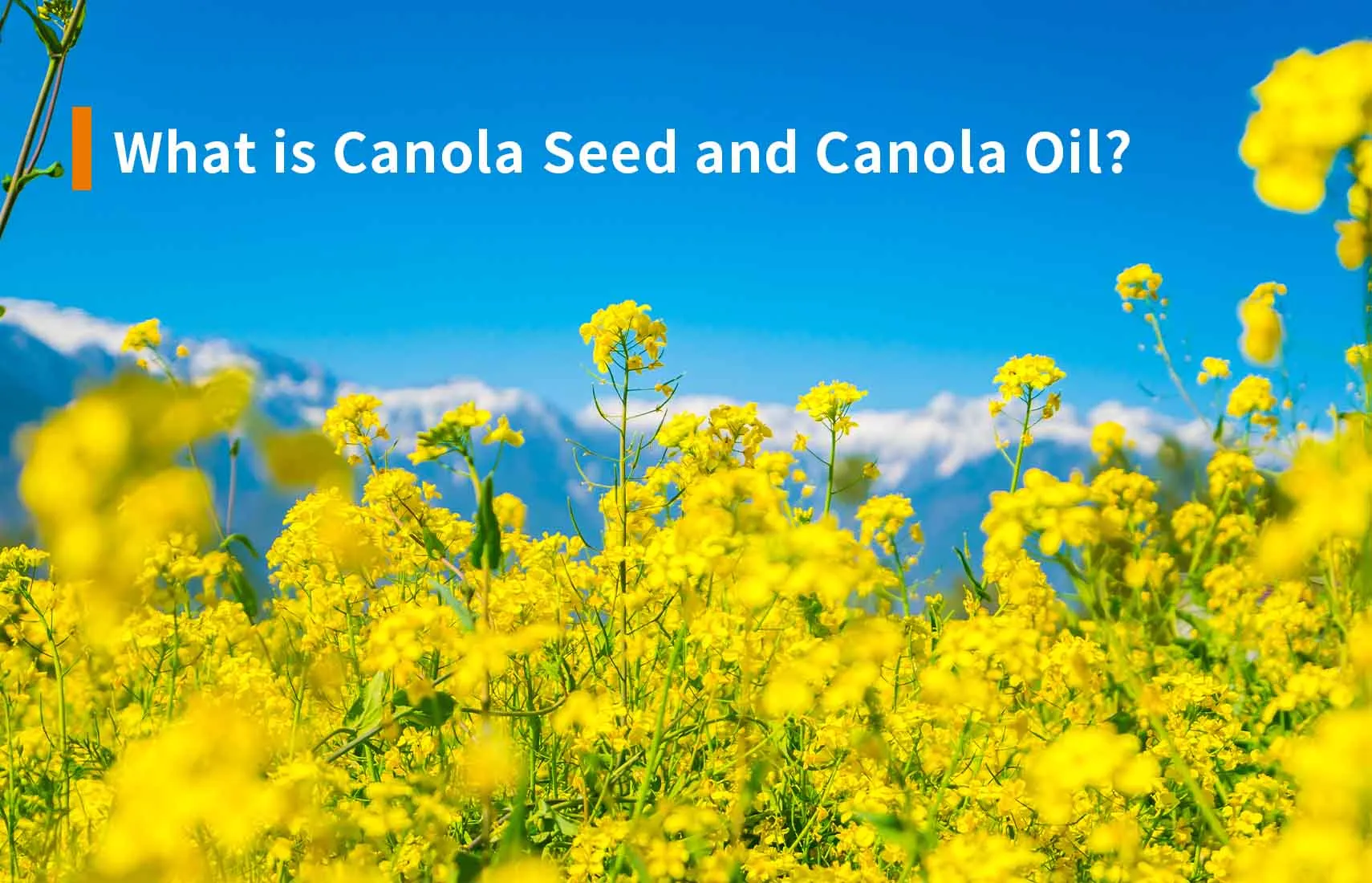
Canola oil has become one of the most popular vegetable oils worldwide. But what exactly is canola, and why is it so important for the food industry?
This article explores the origins of canola seeds, the properties of canola oil, and how modern edible oil machines and refinery equipment transform seeds into high-quality oil.
What is Canola?
Canola is a type of rapeseed (Brassica napus) selectively bred to reduce erucic acid and improve nutritional value. Originally developed in Canada in the 1970s, canola is now grown in multiple regions including North America, Europe, and Asia.
Key Features of Canola Seeds:
• Small, round, and dark brown or black
• Rich in oil content (typically 40–45%)
• Low in erucic acid and high in healthy unsaturated fatty acids
Canola is prized for its versatility, high yield, and suitability for both cooking and industrial applications.
What is Canola Oil?
Canola oil is the extracted oil from canola seeds. It is widely used in cooking, baking, frying, and food processing due to its mild flavor, light color, and health benefits.
Health and Culinary Benefits:
• Low in saturated fats
• Rich in omega-3 and omega-6 fatty acids
• High smoke point for frying
• Neutral taste that works in diverse recipes
How Canola Seeds are Turned Into Oil
Producing canola oil requires modern processing technology and specialized machinery. Here’s a simplified overview:
Step 1: Seed Cleaning
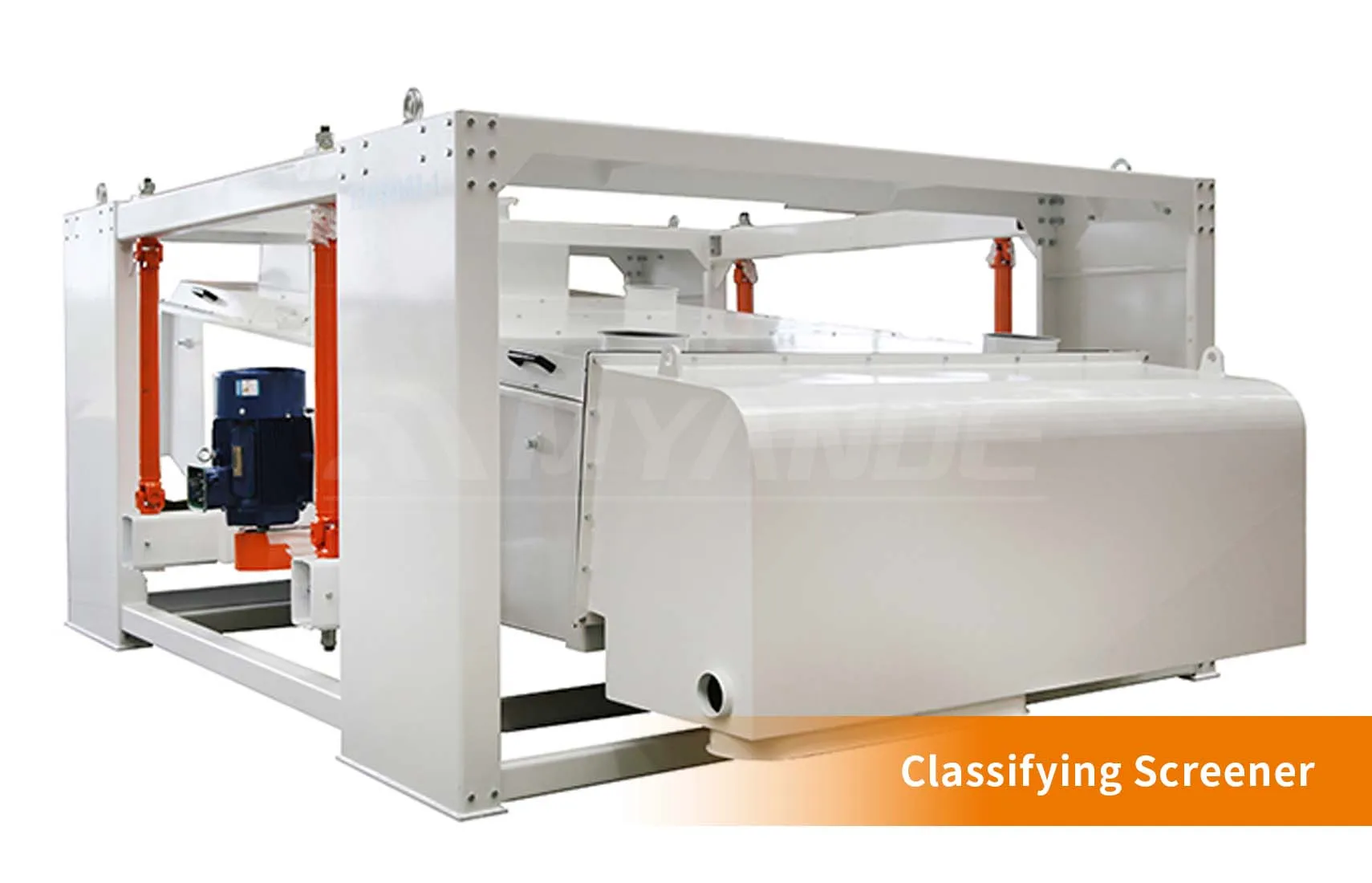
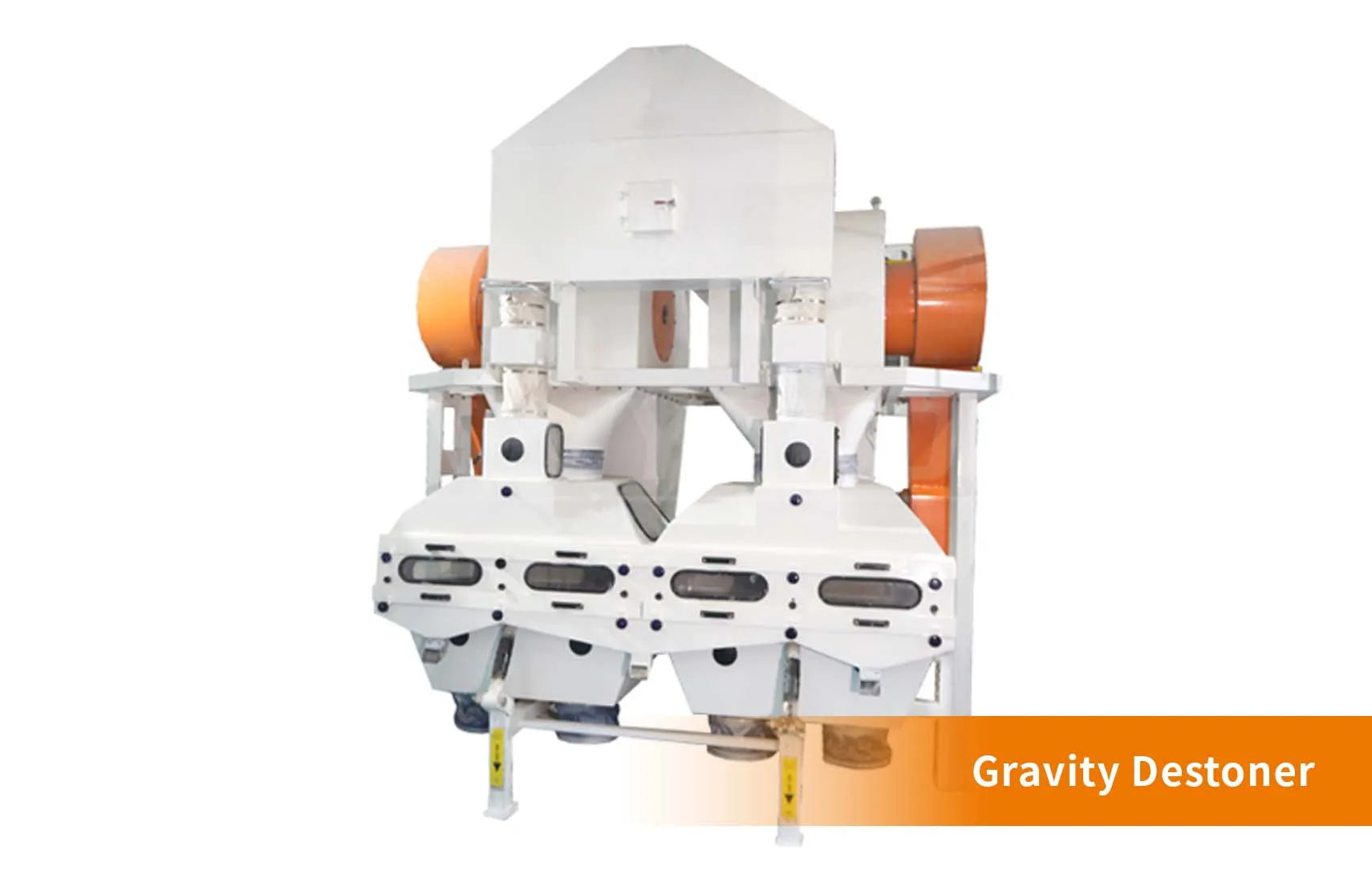
Seeds are cleaned to remove dirt, stones, and plant residues using pre-cleaners, magnets, and destoners.
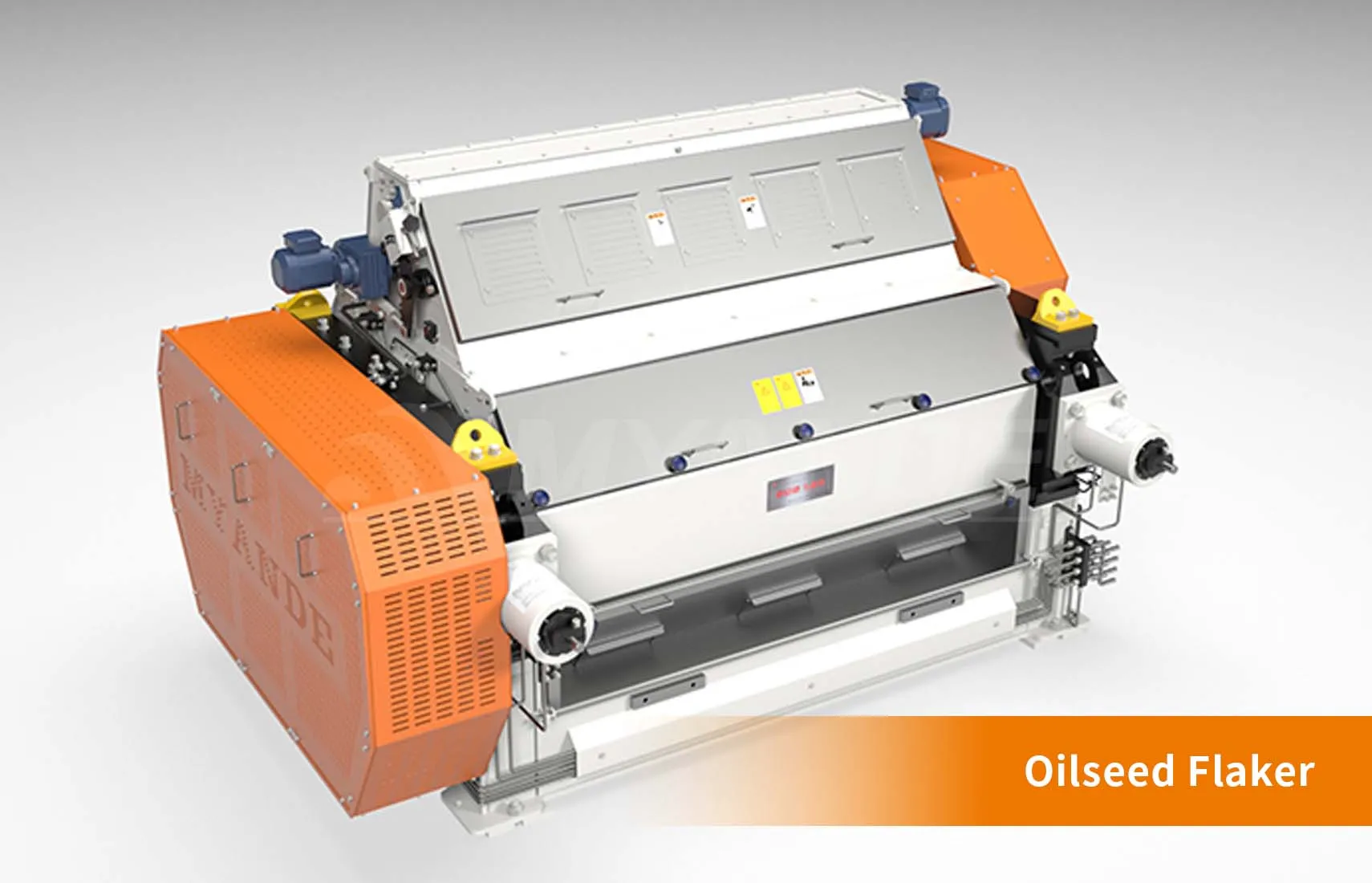
Step 2: Seed Conditioning & Flaking
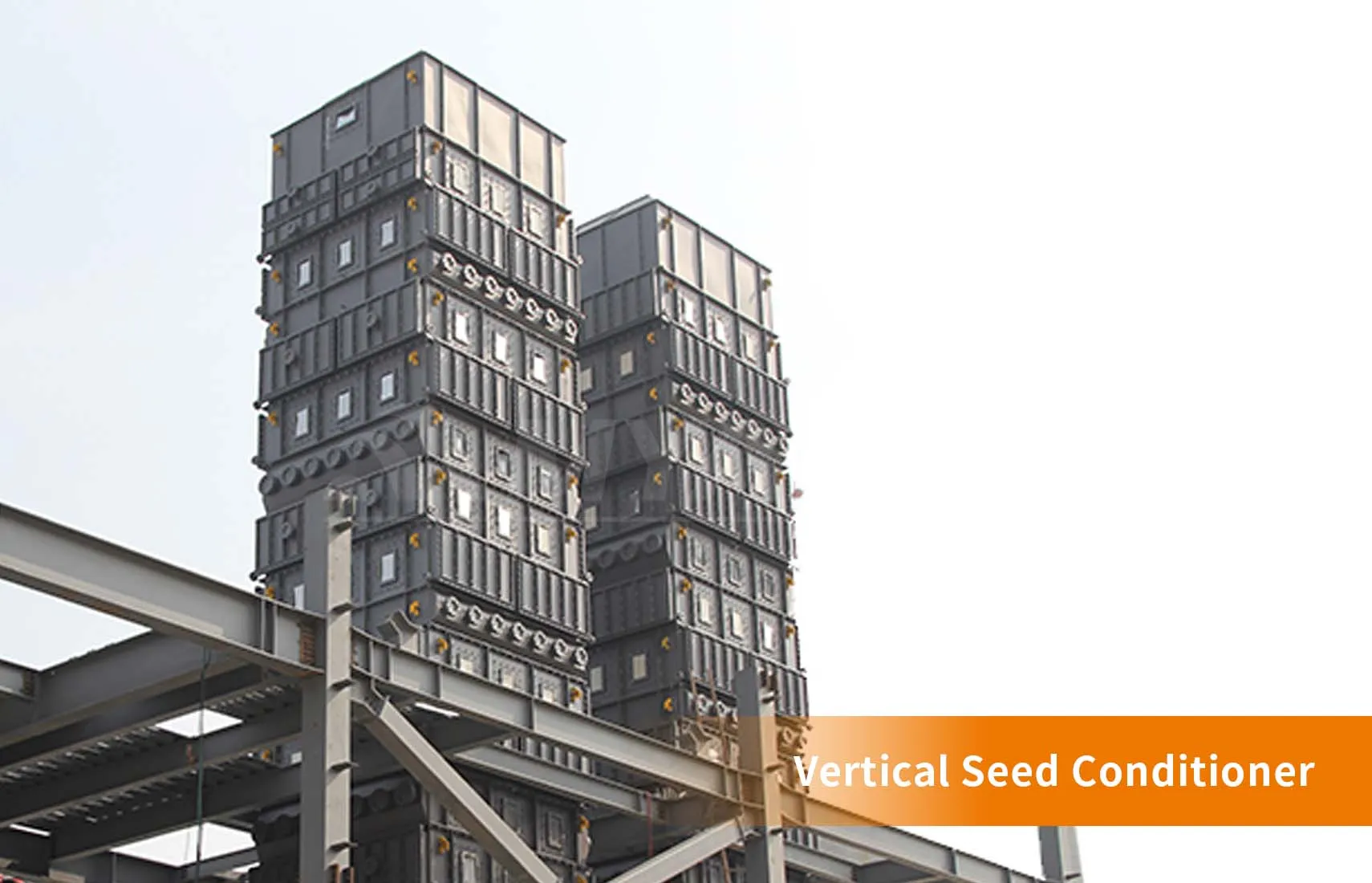
Seeds are heated and rolled into flakes to break oil cells, making extraction easier.
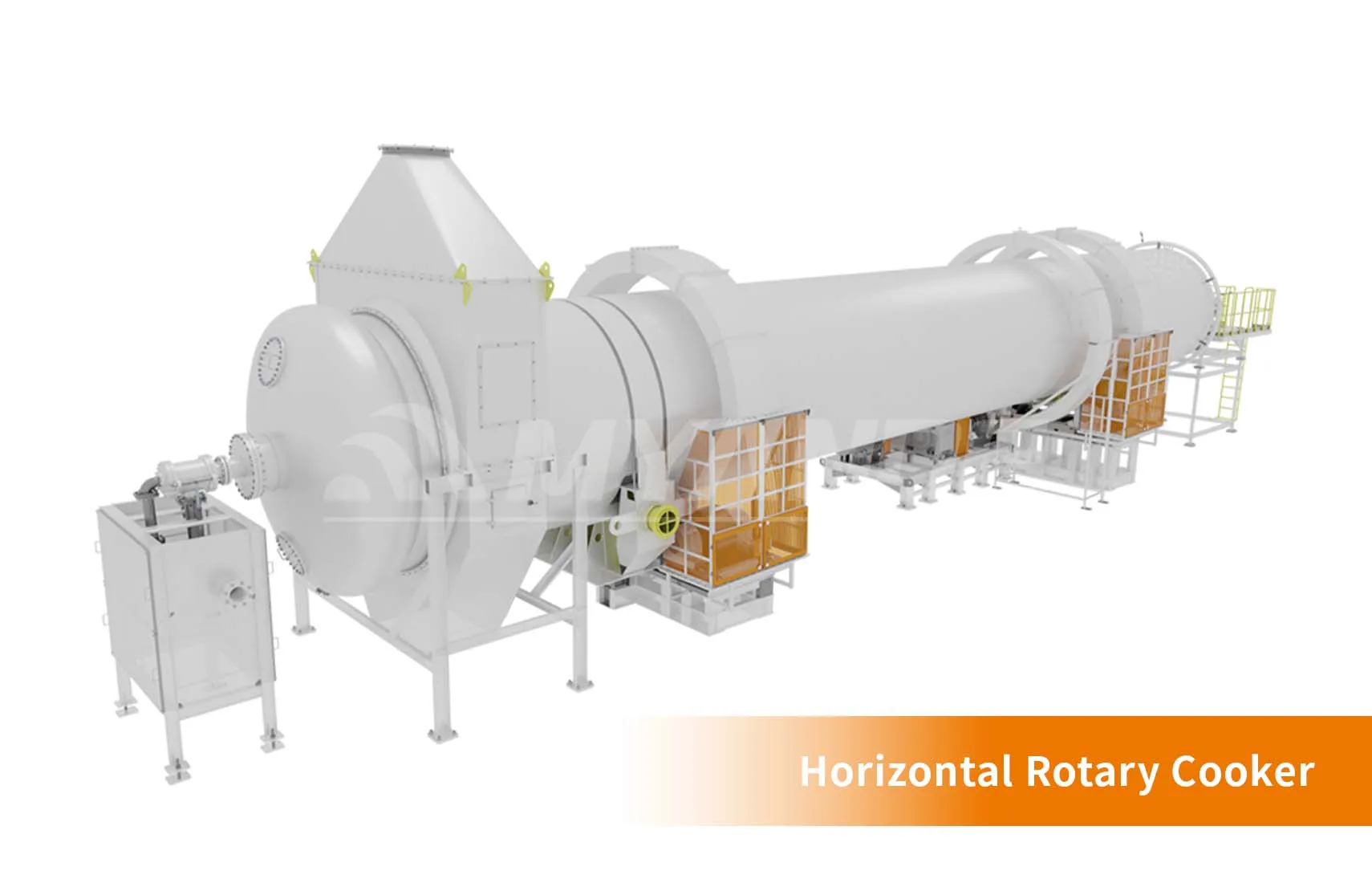
Step 3: Cooking
Adjust temperature and moisture of oilseeds prior to mechanical pressing so as to maximize oil yield.
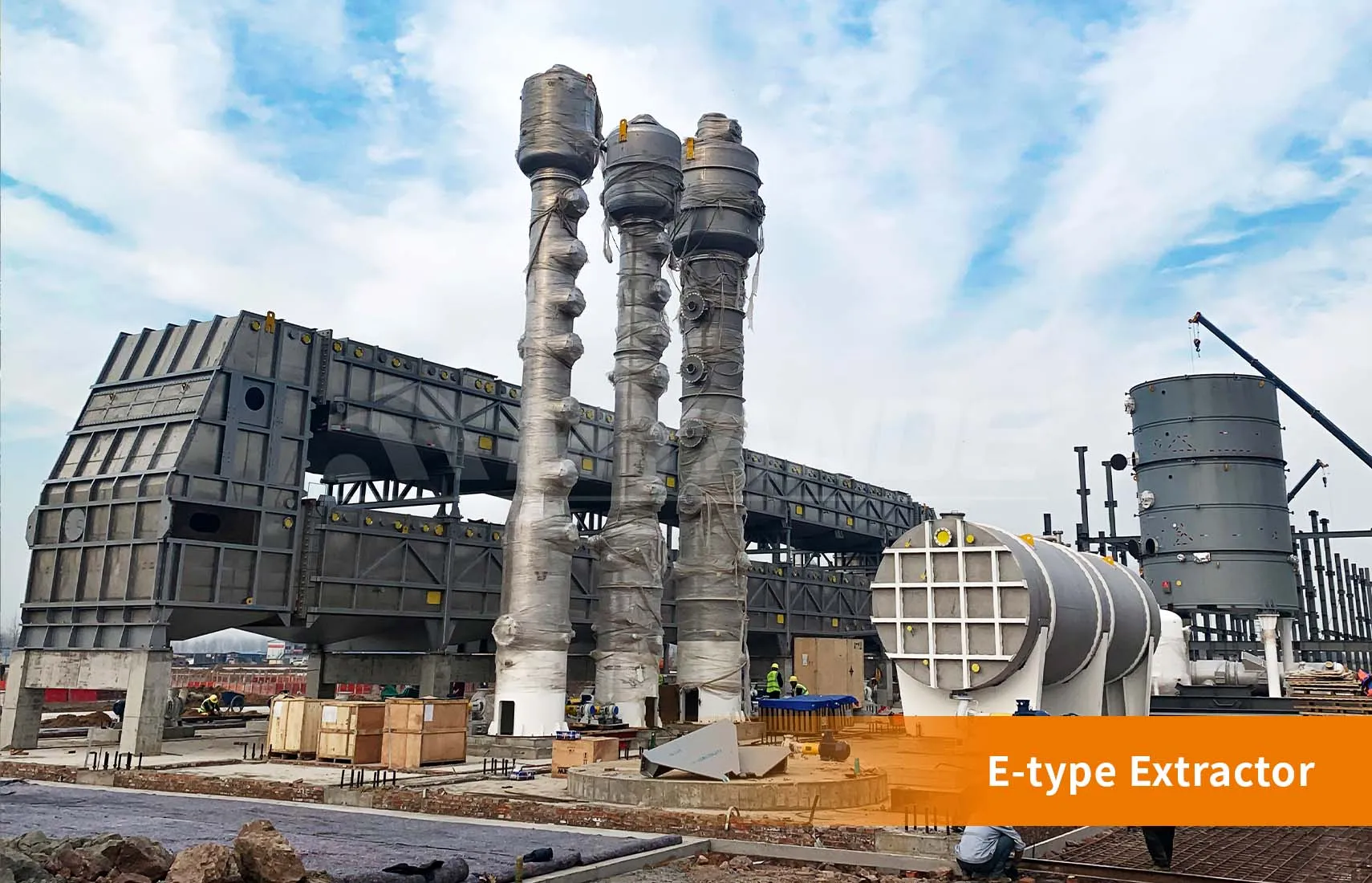
There are two main methods:
• Mechanical Pressing: Screw presses extract oil directly from flakes.
• Solvent Extraction: Uses food-safe solvents to extract remaining oil after pressing.
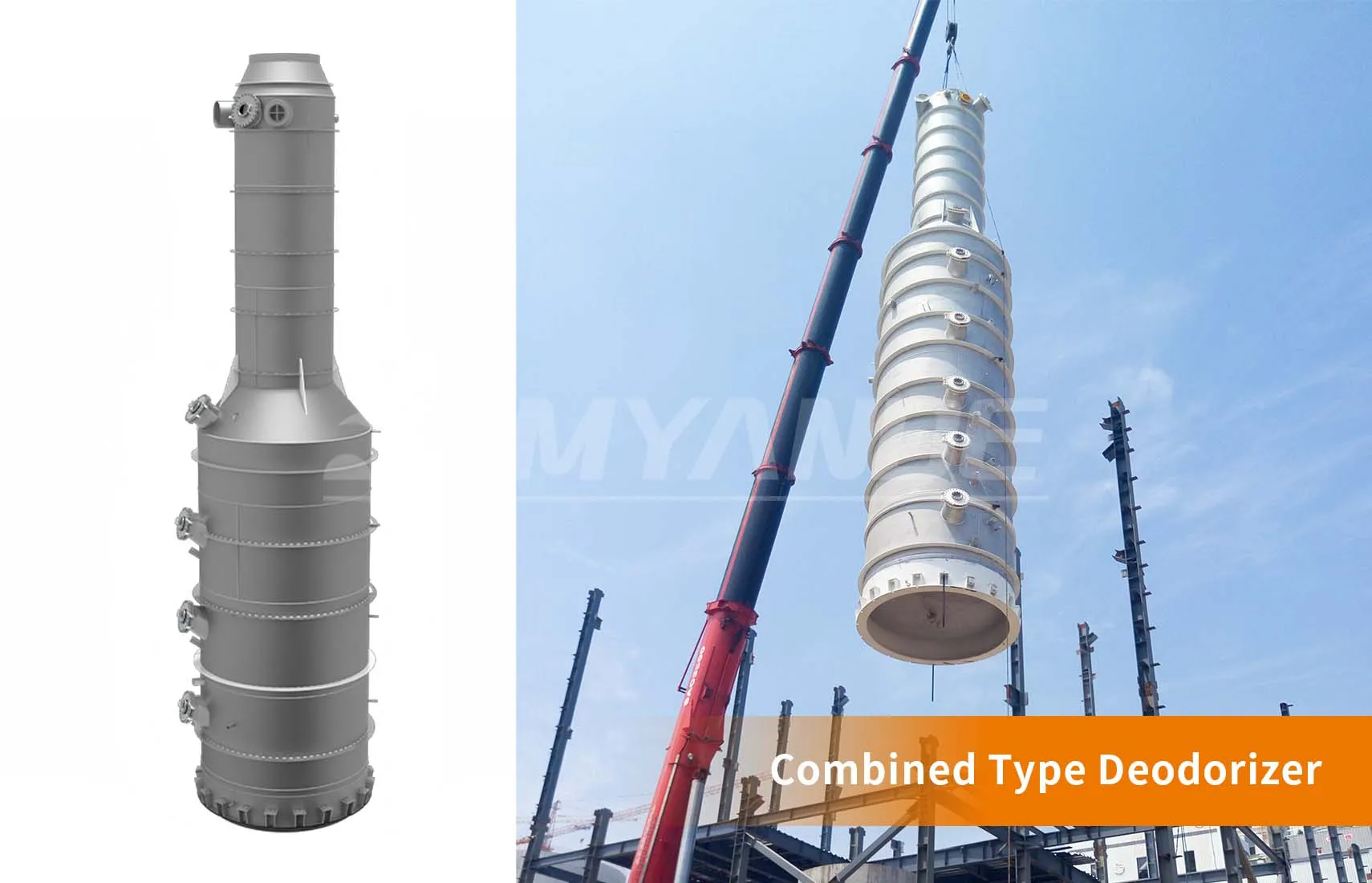
Crude canola oil contains impurities. Refining ensures it is safe, clear, and stable. Refining includes: Degumming, Neutralization, Bleaching, and Deodorization
Modern edible oil refinery machines automate these processes for higher efficiency and consistent quality.
Why Canola Oil Production Matters for Businesses
Investing in canola oil production is not only about making oil — it’s about creating a reliable supply chain and maximizing yield. Using high-quality edible oil machines and refinery equipment can:
• Improve extraction efficiency and product yield
• Ensure food safety and compliance
• Reduce operational costs with energy-saving systems
• Deliver consistent oil quality for industrial and retail markets
Canola seeds are more than just raw materials — they are the foundation of a healthy, versatile, and profitable oil. By understanding what canola is, the benefits of canola oil, and the machinery required for production, businesses can make informed decisions to build a modern, efficient, and high-quality oil processing plant.
Ready to start your canola oil production journey? Contact us info@myande.com to explore turnkey solutions with advanced edible oil machines and refinery systems.
Frequently Asked Questions (FAQs)
|
1. Why is seed conditioning important before oil extraction? Seed conditioning adjusts temperature and moisture content, softening the cellular structure and improving oil cell rupture during flaking and pressing. Proper conditioning: • Increases oil yield • Reduces energy consumption • Improves press cake structure for solvent extraction |
|
2. What is the difference between mechanical pressing and solvent extraction? Mechanical pressing uses screw presses to physically squeeze oil from conditioned flakes. It is simple and suitable for small to medium-scale plants. Solvent extraction uses food-grade solvents to recover residual oil from pressed cake or directly from flakes. It achieves higher oil recovery rates and is widely used in large-scale industrial plants. |
|
3. What factors affect the final quality of refined canola oil? Key factors include: • Quality of raw seeds • Efficiency of cleaning and conditioning • Extraction method and yield optimization • Precision of refining parameters • Vacuum level and temperature control during deodorization Integrated process control systems are critical for ensuring consistent oil quality. |
|
4. What production capacity ranges are typical for canola oil plants? Industrial canola oil plants can range from: • Small-scale: 50–200 tons per day • Medium-scale: 200–1,000 tons per day • Large-scale industrial plants: 1,000+ tons per day Capacity selection depends on raw material supply, market demand, and investment scale. |
|
5. Why is choosing the right machinery important for canola oil production? High-quality edible oil machines and refinery systems improve extraction efficiency, reduce operational costs, ensure food safety, and deliver consistent oil quality for industrial and retail markets. |
|
6. Can turnkey solutions help businesses in canola oil production? Yes. Turnkey canola oil production solutions provide a complete plant setup, from seed handling to refining and packaging. They simplify project management, ensure efficiency, and reduce operational risks. |

Recent Posts

October 26, 2016
The Most Successful Engineering Contractor




Contact Us
Product Information
Quantity
Unit
Piece
Support order samples, customization, wholesale direct, and complete payment. If the product you look for does not have corresponding customized content, pls fill out the form below to contact us, and we will reply ASAP.