

How Canola Oil is Made?
Feb 27, 2026
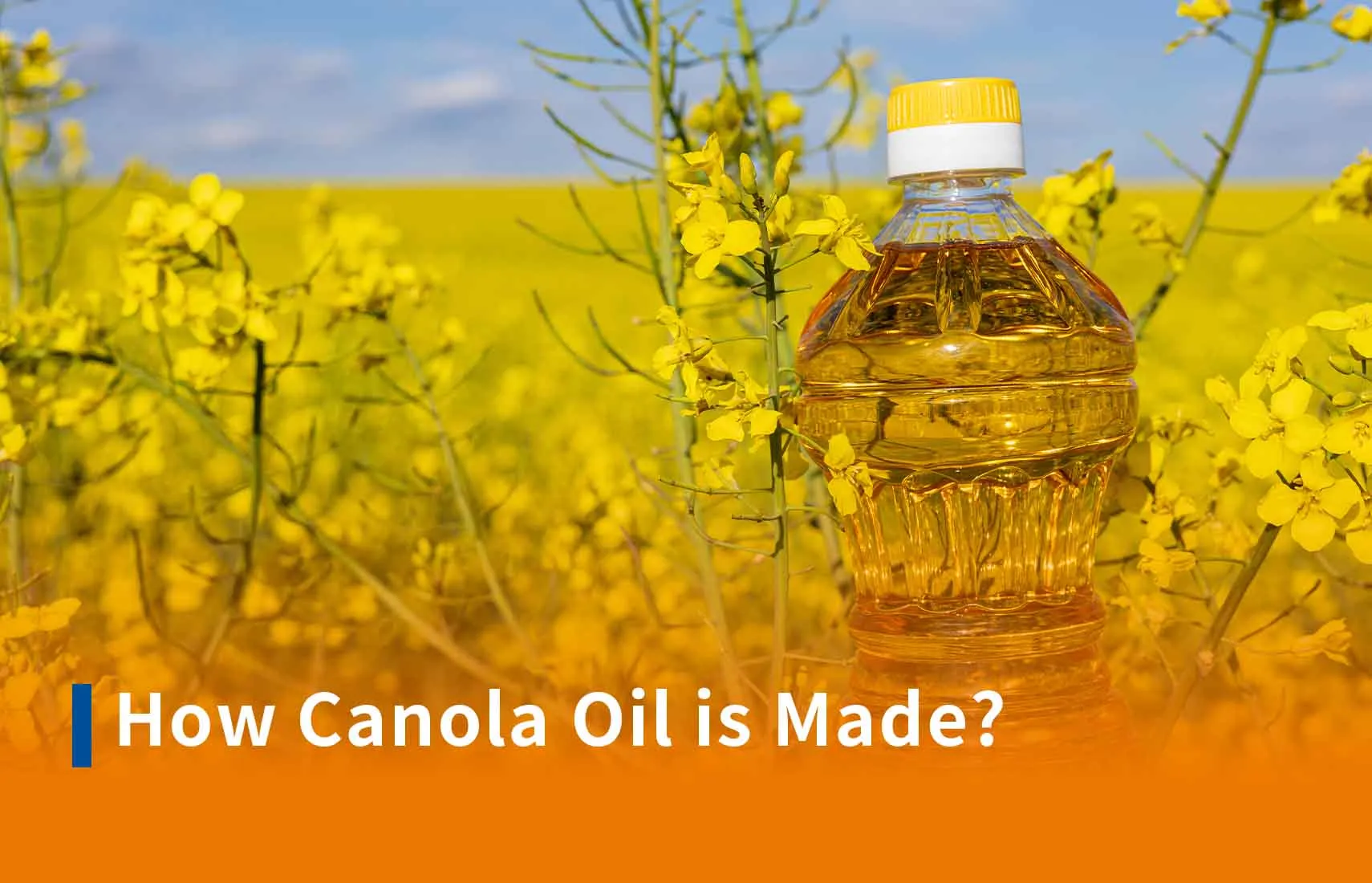
From Canola Seed to High-Quality Oil
Myande Group, a global leader in edible oil production technology, has been at the forefront of designing and delivering turnkey canola oil production lines. With decades of experience in edible oil machinery and refinery systems, Myande ensures efficiency, high yield, and top-quality oil for clients worldwide.
"Our goal is to provide solutions that not only produce high-quality canola oil but also reduce operational costs and energy consumption," - Senior Oils & Fats Process Engineer at Myande.
What is Canola & Why It Matters
Canola is a type of rapeseed that was selectively bred to reduce erucic acid and improve nutritional value. Today, canola is grown globally, with major production in Canada, Europe, and Asia.
Because of its versatility and healthier lipid profile compared to other vegetable oils, canola oil is in high demand across food, bakery, and food service industries.
How Canola Oil is Made?
Canola oil is one of the world’s most widely consumed vegetable oils — known for its neutral flavor, high smoke point, and heart-healthy fatty acid profile. But before it reaches supermarket shelves or restaurant kitchens, canola seeds must go through a sophisticated production process.
For agribusinesses, oil processors, and investors considering building an edible oil plant, understanding how canola oil is made and how to choose a reliable edible oil machine & edible oil refinery machine supplier are key to long-term success.
This guide breaks down the journey of canola from seed to edible oil, and explains what makes a production line world-class.
The Canola Oil Production Journey — Step by Step
Step 1: Seed Cleaning
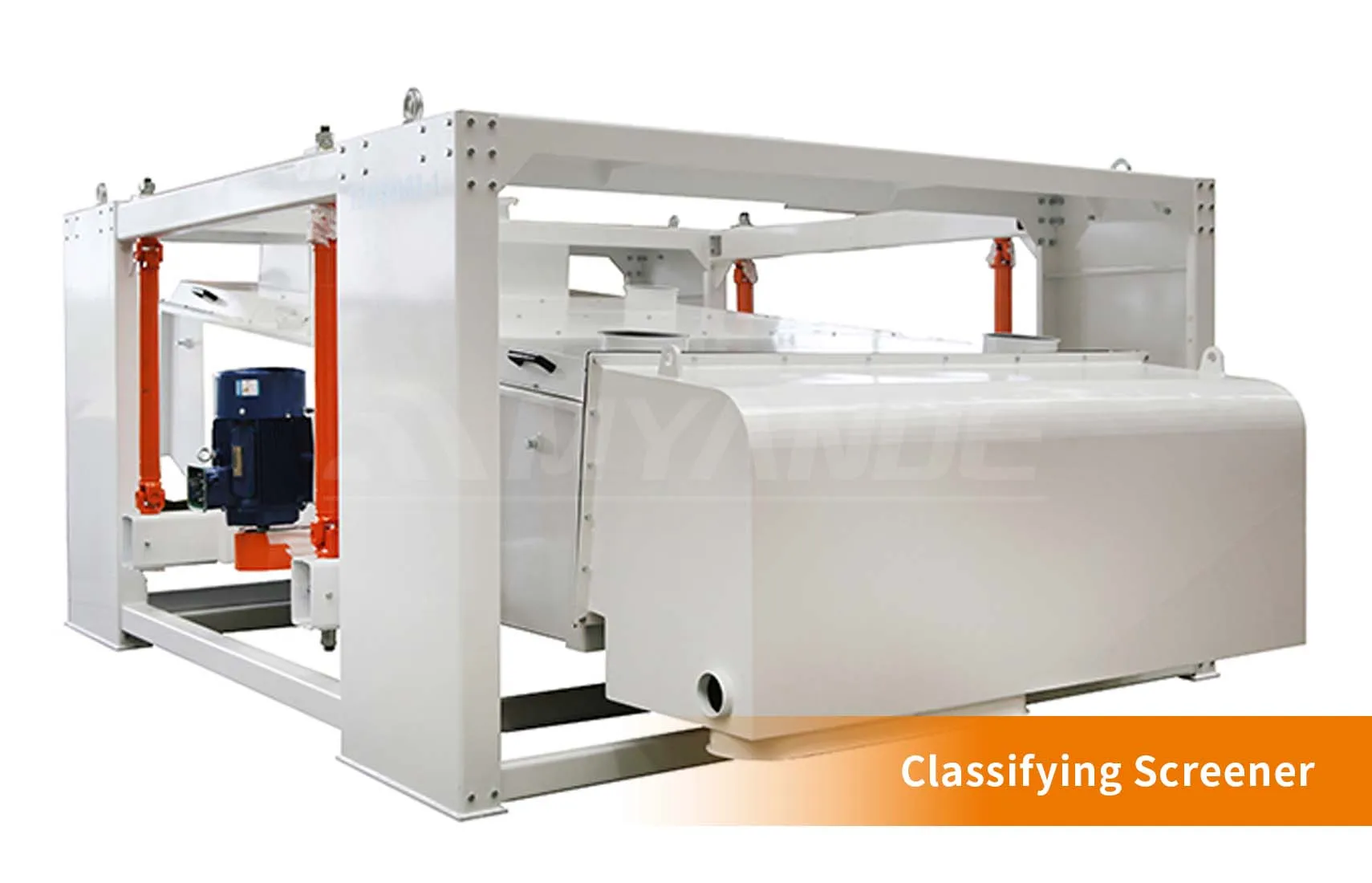
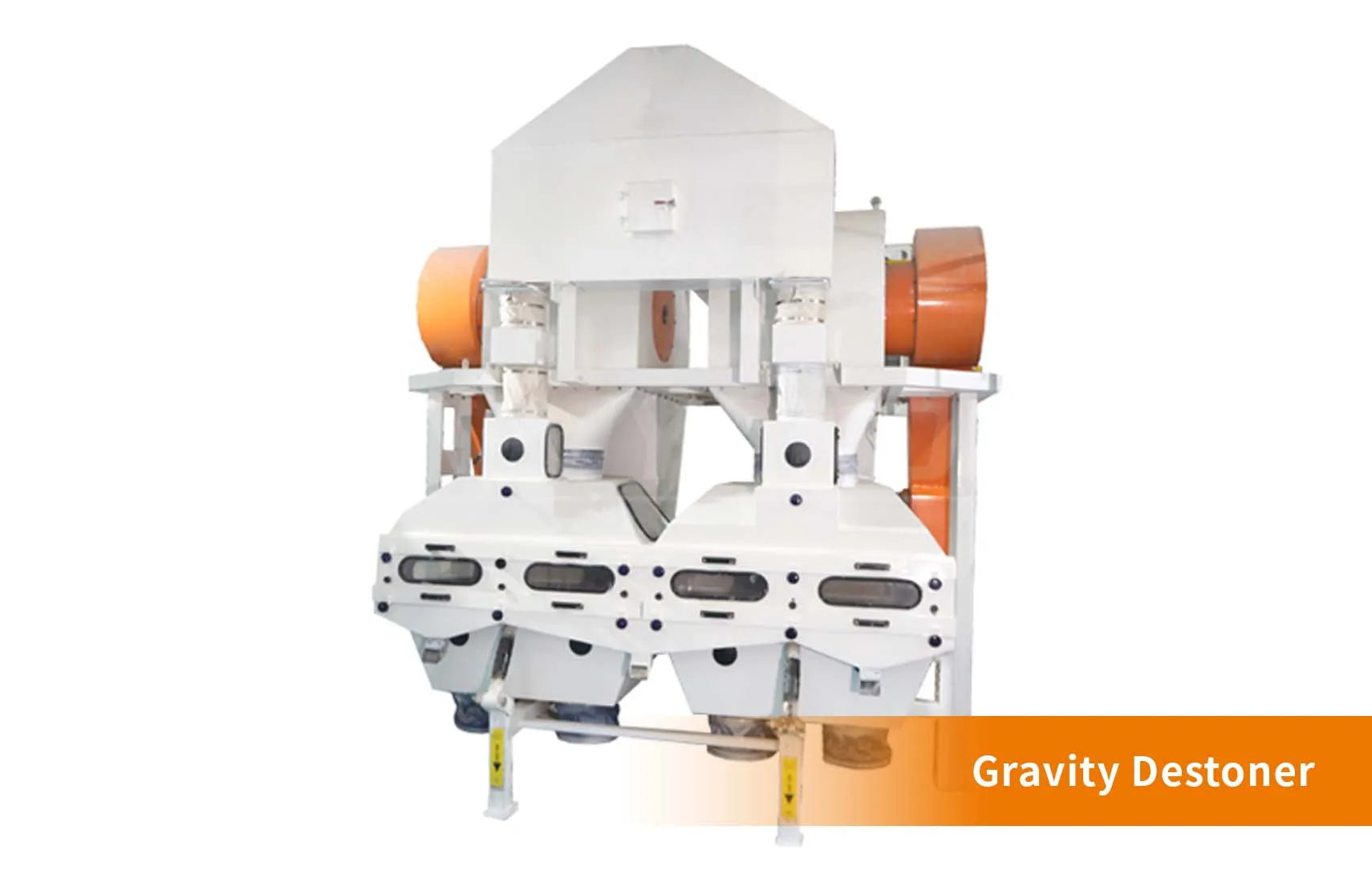
Before processing, harvested canola seeds undergo thorough cleaning to remove foreign materials such as dust, stones, metal particles, and plant residues.
Efficient cleaning is essential to:
• Protect downstream equipment from damage
• Maintain stable operation
• Ensure final oil quality
Typical equipment includes vibrating screens, magnetic separators, destoners, and aspiration systems.
Step 2: Seed Conditioning & Flaking
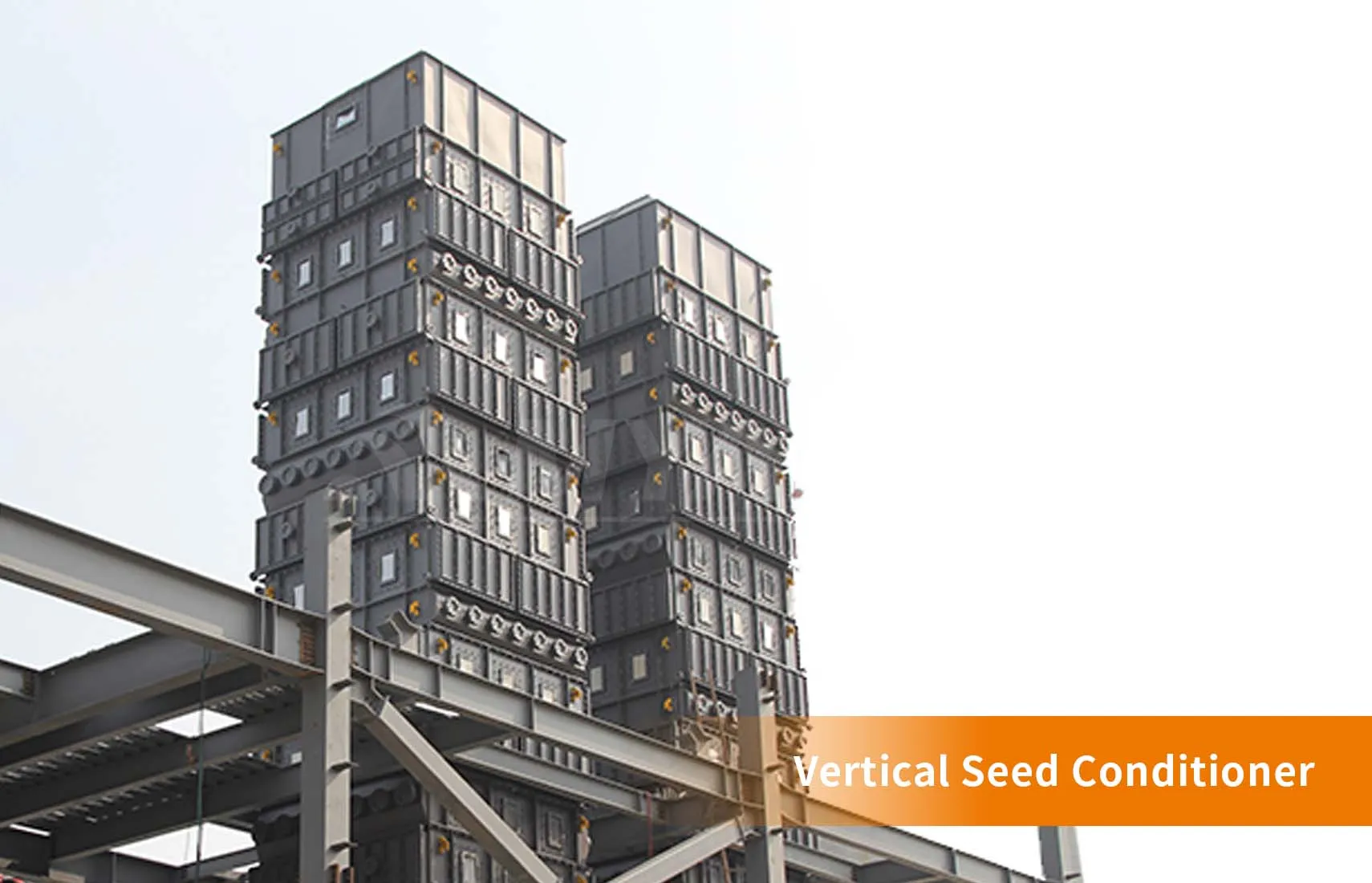
Cleaned seeds are conditioned through controlled heating to adjust moisture content and soften the seed structure.
The seeds are then passed through roller flakers to form thin flakes. This process increases the surface area and ruptures oil cells, significantly improving extraction efficiency.
“Proper conditioning and flaking are critical factors in maximizing oil recovery during subsequent processing”. - Director of Oils & Fats Engineering Technology Center at Myande.
Step 3: Cooking
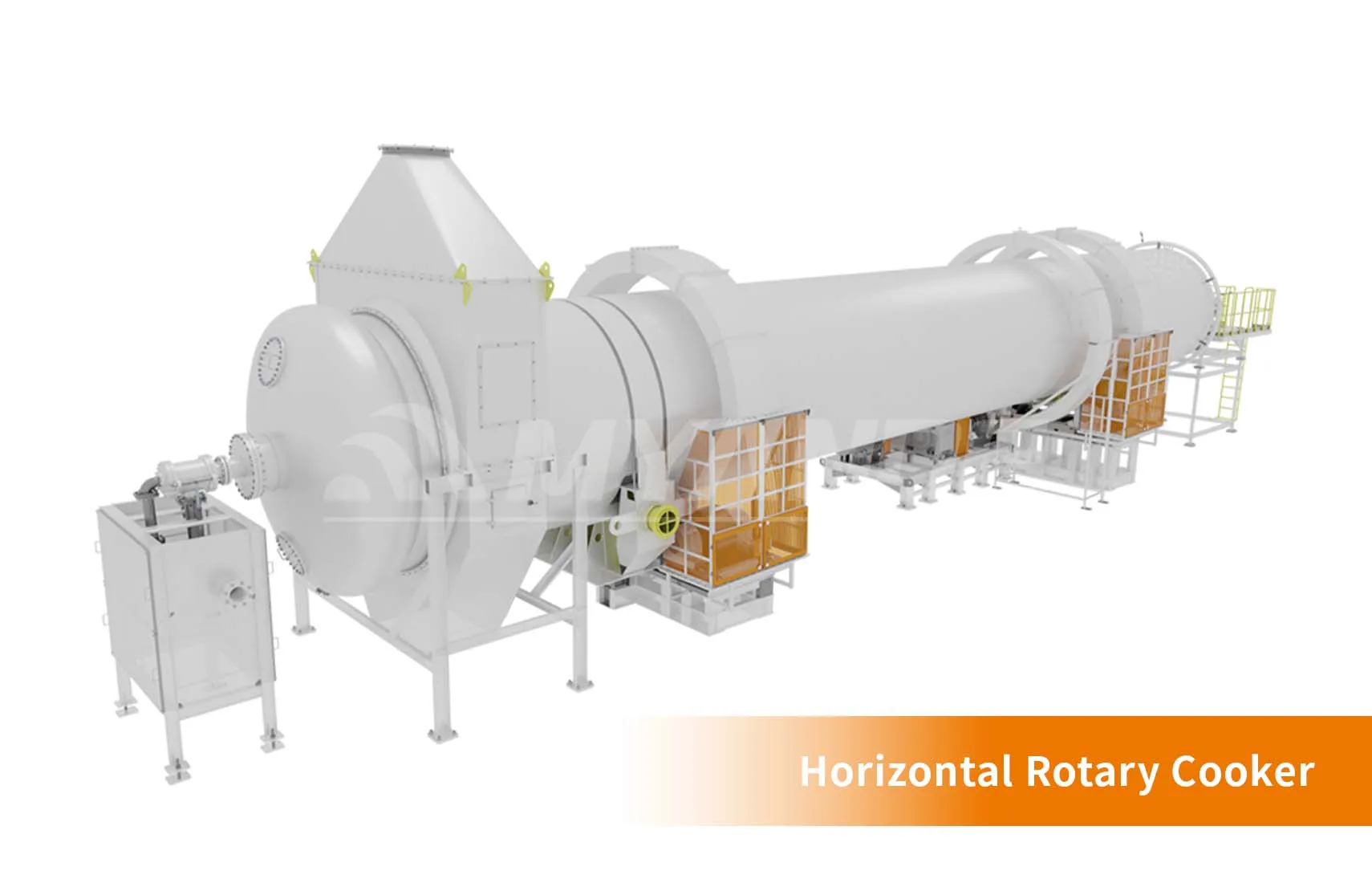
During cooking, temperature and moisture levels are carefully regulated. This step:
• Coagulates seed proteins
• Reduces oil viscosity
• Enhances oil flow during pressing
Precise cooking parameters directly influence oil yield and the mechanical stability of the press cake.
Step 4: Pre-pressing / Full Pressing
(a) Pre-pressing: In large-scale plants, a pre-pressing process is typically applied.
Mechanical screw presses extract a portion of the oil, producing pre-pressed cake with residual oil content suitable for solvent extraction.
This combined approach:
• Increases total oil recovery
• Reduces solvent consumption
• Improves overall plant efficiency
(b) Full Pressing (Optional): Full pressing extracts oil solely through mechanical means without solvent usage.
• Cold pressing preserves natural nutrients and flavor characteristics.
• Hot pressing improves oil yield through thermal conditioning.
This method is often selected for specialty or smaller-capacity production lines.
Step 5: Solvent Extraction
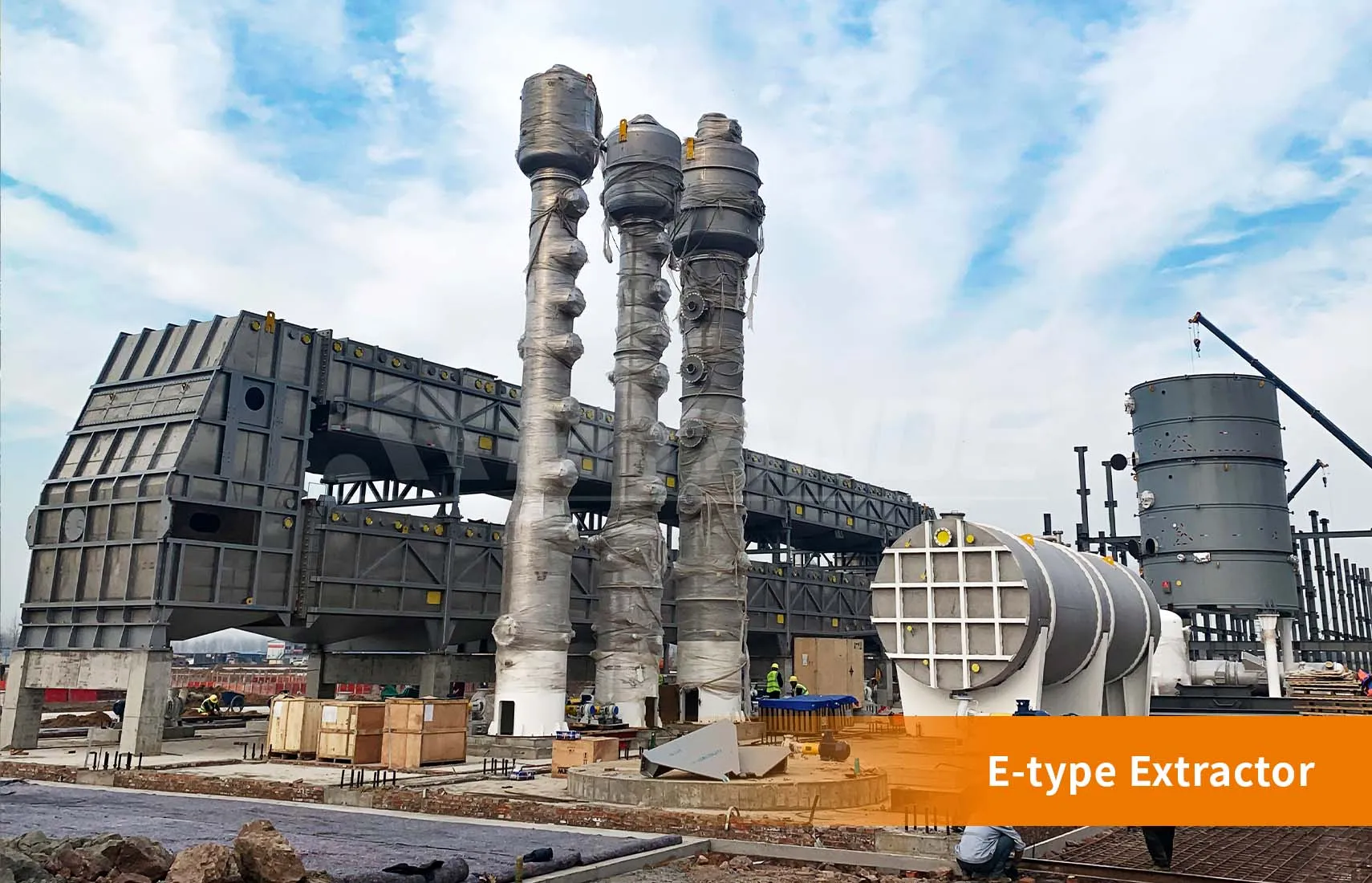
Solvent extraction uses food-grade solvent (commonly hexane) to dissolve and separate remaining oil from pre-pressed cake or directly from flakes.
This method offers:
• Higher extraction efficiency
• Lower residual oil in meal
• Improved economic return
For higher throughput and yield, mechanical pressing is often combined with solvent extraction in larger plants.
Step 6: Evaporation & Filtration
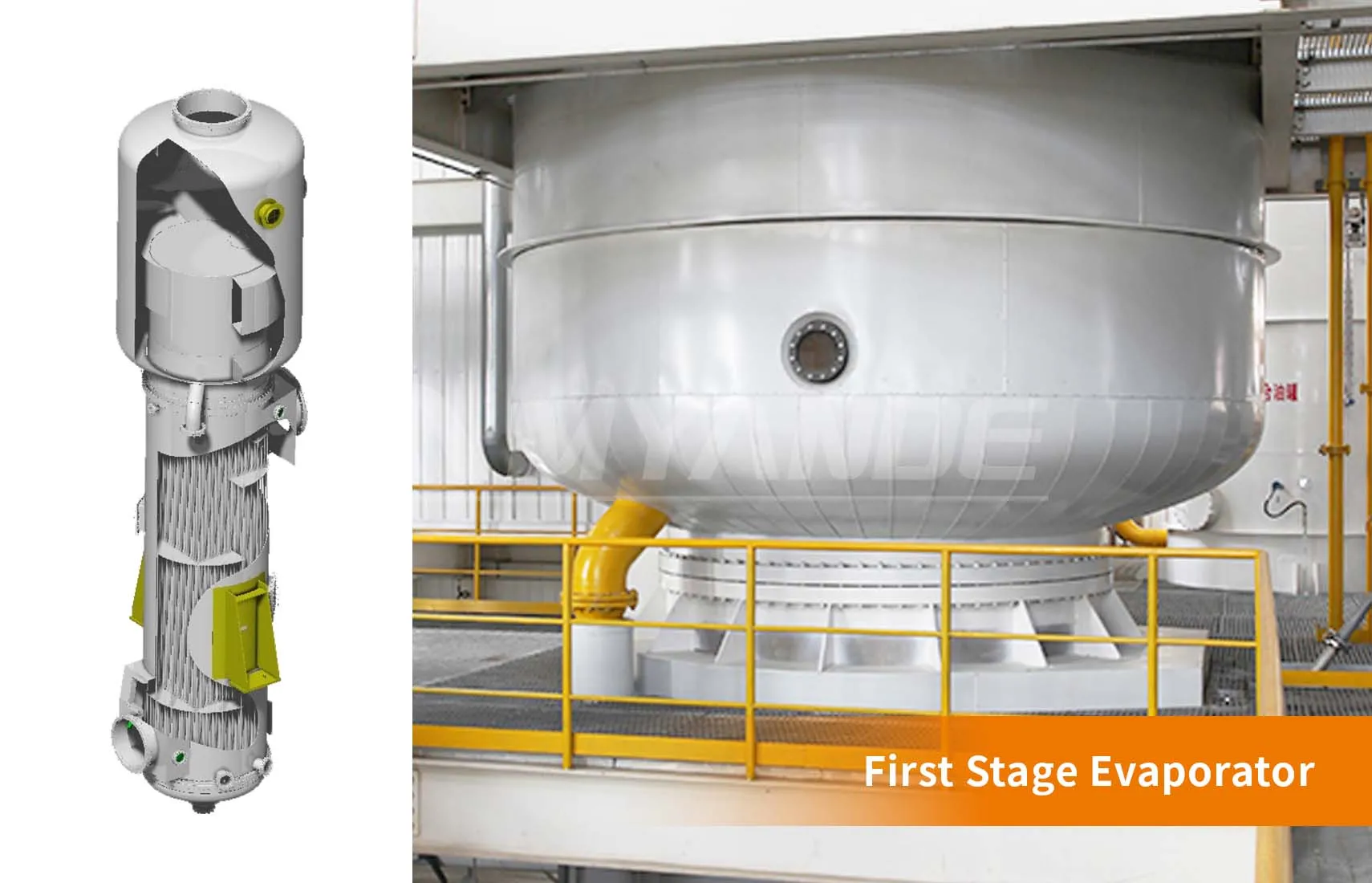
Crude oil from extraction contains suspended solids, residual solvent (if applicable), and moisture.
Distillation removes solvent traces through controlled heating and evaporation, while filtration systems eliminate solid impurities. Proper clarification ensures the oil is ready for refining.
Step 7: Edible Oil Refining
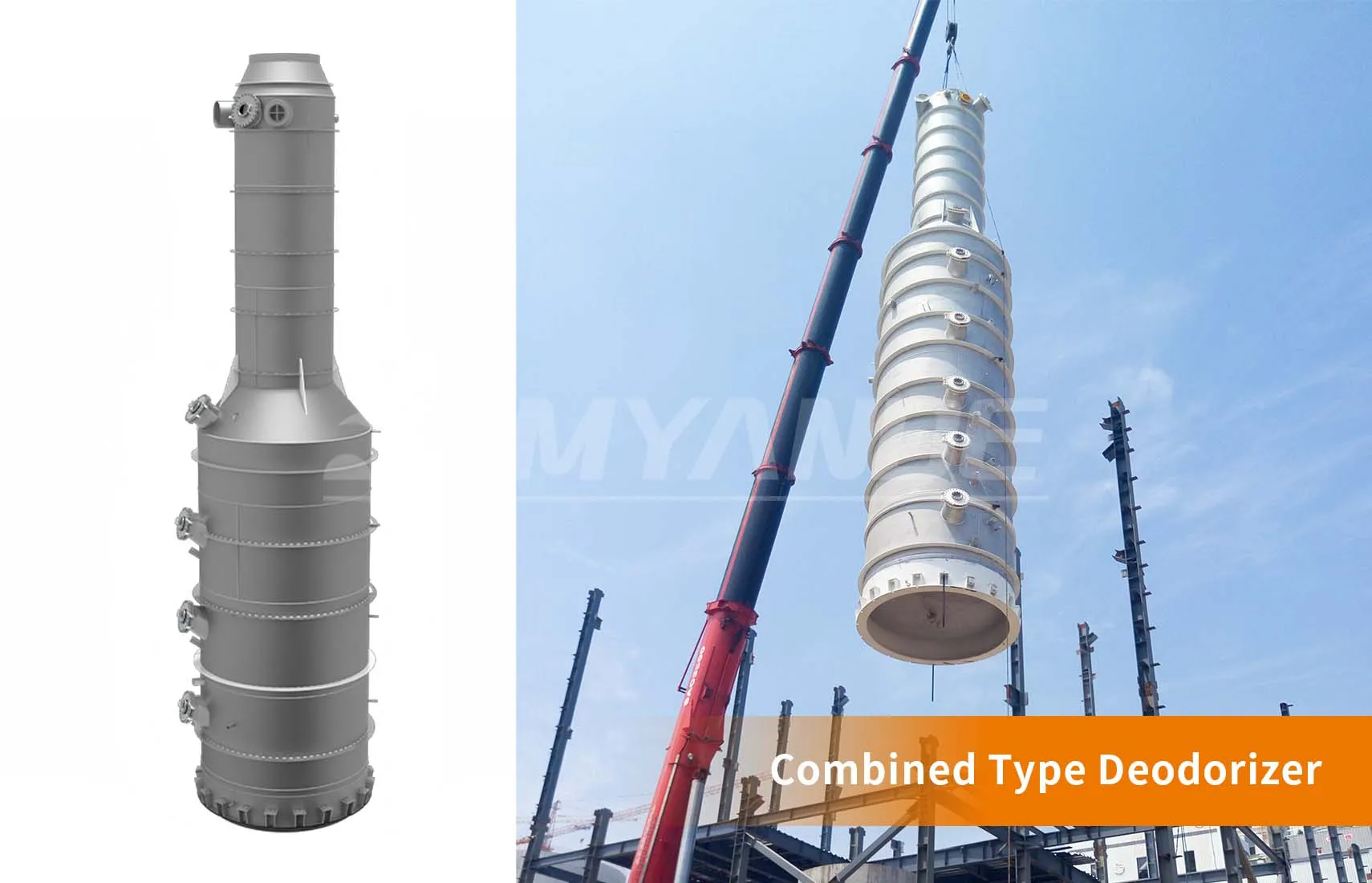
Crude canola oil must be refined for safety, stability, and color neutrality. The refining process typically includes:
• Degumming – removes sticky substances and natural impurities from the oil.
• Neutralizing – gets rid of extra acids in the oil that can affect taste and stability.
• Bleaching – removes unwanted color and makes the oil clear and bright.
• Deodorizing – removes strong smells so the oil has a neutral, fresh scent.
“In response to growing global concerns about trans fatty acids and processing contaminants, Myande developed a variable-temperature deodorization technology designed to minimize thermal damage to edible oils,” explains a Myande senior refining engineer. “Our deodorization heater residence time is less than 30 seconds, significantly reducing high-temperature exposure. The deodorization tower operates under a deep vacuum of 0.5 to 1.5 mbar, which improves deacidification efficiency while effectively lowering the formation of trans fatty acids, 3-MCPD esters, and glycidyl esters.”
By combining advanced vacuum control, rapid heat exchange, and optimized process parameters, modern edible oil refinery systems can ensure both nutritional value and regulatory compliance for international markets.
How to choose the Right Edible Oil Production Line Supplier?
Building a reliable canola oil plant is a major investment. Here are the top criteria to evaluate suppliers:
• Proven Experience
Choose suppliers with documented projects in canola or other major oilseed processing lines. Experience ensures they understand real-world challenges.
The best partners offer complete turnkey systems — from raw material handling to final packaging. This simplifies project management and reduces risk.
• Custom Engineering
Every plant site is different. A good supplier provides tailored layouts, energy-efficient designs, and scalable solutions.
• High-Quality Machinery
Look for robust equipment that meets international standards (such as CE, ISO). Quality parts reduce maintenance and downtime.
• After-Sales Service
Prompt technical support, spare parts availability, and training ensure smooth long-term operation.
• Strong References
Check case studies and customer testimonials. Reliable suppliers will share plant photos, performance data, and contactable references.
Why Choosing the Right Equipment Matters?
Investing in the right edible oil machine and edible oil refinery machine impacts:
• Oil Yield & Product Quality
Efficient extraction and refining maximize yield and produce neutral, stable oil.
• Operational Cost
Modern systems use energy-saving designs and automation to reduce labor and utility expenses.
• Food Safety & Compliance
Meeting international standards for traceability and food safety starts with using reliable production equipment.
From Seeds to Success
Whether you’re entering canola oil production for the first time or upgrading an existing plant, understanding the full production process is essential. The right equipment — from edible oil machines to industrial refinery systems — drives efficiency, quality, and profitability.
When screening suppliers, prioritize experience, customization ability, and after-sales support. These factors separate long-term partners from one-time vendors.
Ready to build or upgrade your canola oil plant? Connect with us info@myande.com for tailored turnkey solutions that deliver quality, performance, and peace of mind.
Frequently Asked Questions (FAQs)
| 1. What is the most efficient method for extracting oil from canola seeds? The most efficient industrial method is pre-pressing followed by solvent extraction. Mechanical screw presses first remove a portion of the oil, while solvent extraction recovers the remaining oil from the press cake using food-grade solvent. This combined process can achieve: • Higher total oil yield • Lower residual oil in meal • Improved economic performance Large-scale commercial plants commonly adopt this hybrid extraction approach. |
| 2.Why is seed conditioning and flaking important in canola oil processing? Seed conditioning adjusts temperature and moisture to soften seed structure before extraction. Flaking then increases surface area and ruptures oil-bearing cells. Proper conditioning and flaking help to: • Improve oil release efficiency • Reduce energy consumption during pressing • Enhance solvent penetration • Stabilize downstream processing performance Poor preparation can significantly reduce extraction efficiency and overall plant profitability. |
| 3. Can I upgrade an existing canola oil plant with Myande equipment? Yes. Myande offers retrofit and upgrade solutions for existing plants, including modern presses, extraction units, and refinery systems to increase yield, efficiency, and compliance with international food safety standards. |
| 4. Can Myande customize a plant layout for my production needs? Yes. Myande engineers provide tailored solutions for plant layout, capacity, energy efficiency, and scalability to match your production requirements. |
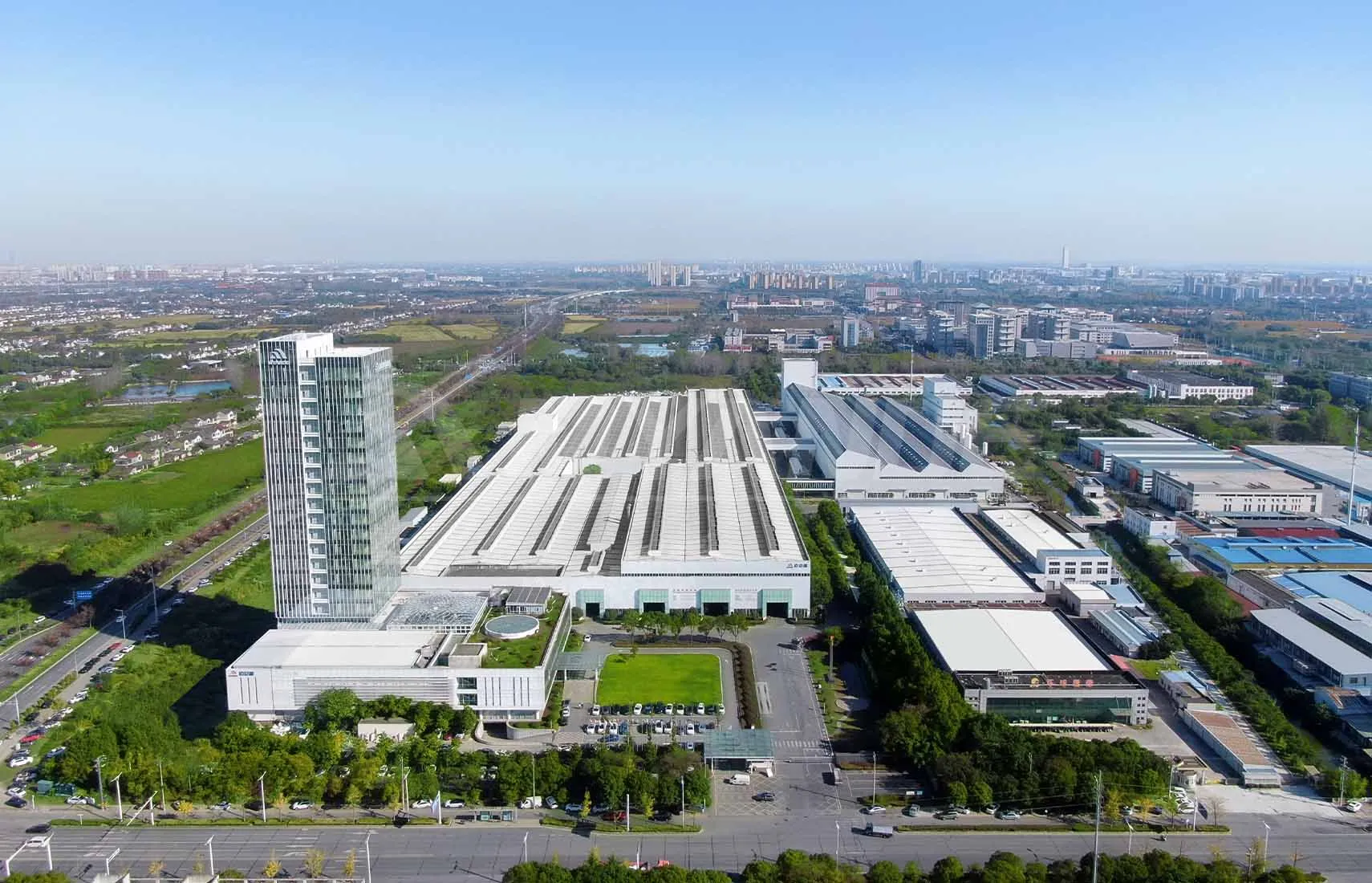
| 5.Why Choosing Myande Group? Myande Group is a leading global provider of oils and fats processing solutions, with strong market recognition and proven industry performance. • 29.5% global market share in pre-pressing and extraction engineering • 83.9% domestic market share in China • Ranked No.1 in Asia and Top 2 globally With decades of engineering expertise, advanced manufacturing capabilities, and turnkey project experience, Myande delivers reliable, efficient, and scalable edible oil production systems for customers worldwide. |


Recent Posts

October 26, 2016
The Most Successful Engineering Contractor




Contact Us
Product Information
Quantity
Unit
Piece
Support order samples, customization, wholesale direct, and complete payment. If the product you look for does not have corresponding customized content, pls fill out the form below to contact us, and we will reply ASAP.